TL;DR / Key Takeaways
- Chargeback alerts are early notifications that a cardholder has disputed a transaction, sent to you before the dispute becomes a formal chargeback.
- You usually get a short response window, often 24 to 72 hours, to refund the customer and stop the chargeback from ever being filed.
- Alerts are delivered through networks that plug into issuing banks, and you pay a flat fee for every alert you receive.
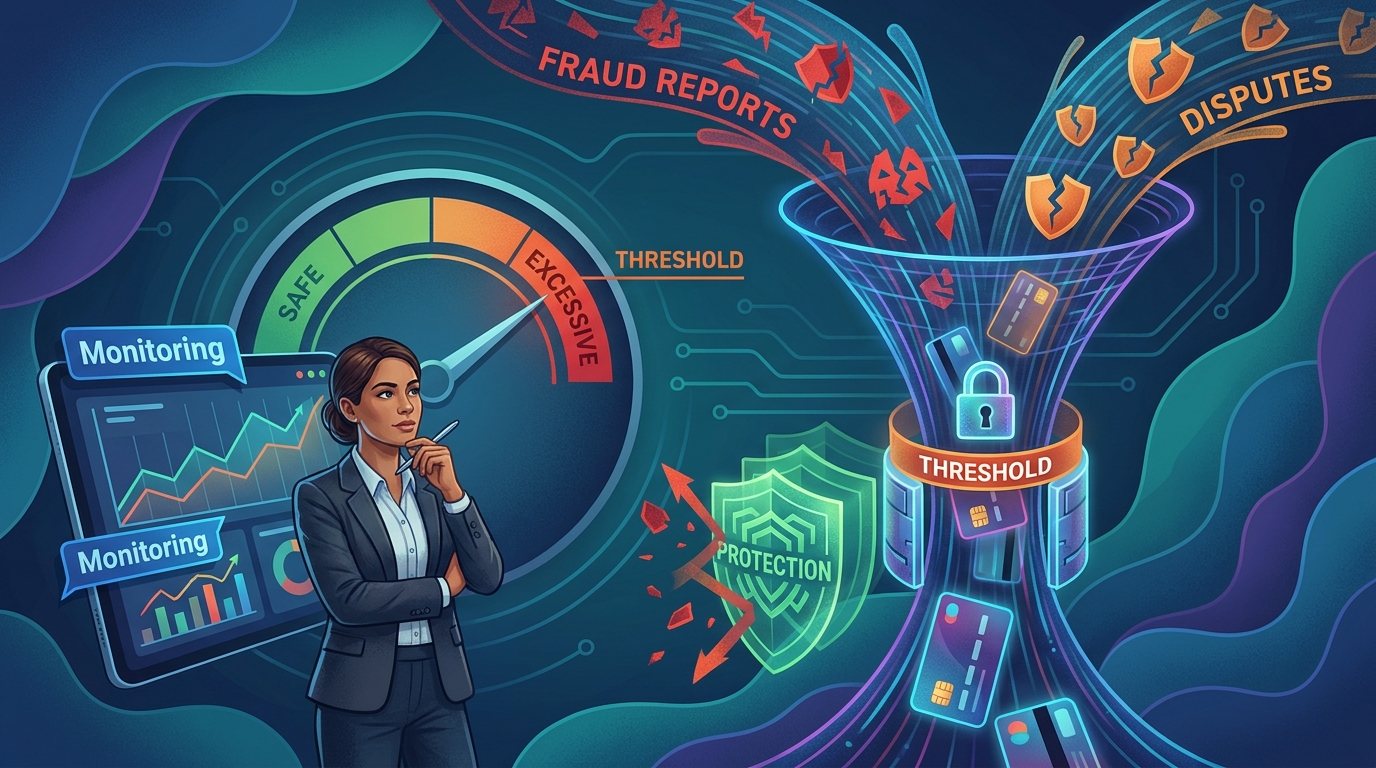
- Card network monitoring programs generally exclude pre-dispute resolutions from your dispute ratio, so alerts help you stay under threshold.
- Alerts are a safety net, not a strategy. They work best layered on top of prevention that fixes why disputes happen.
Why Chargeback Alerts Matter More in 2026?
Here is how most disputes reach you. A customer calls their bank about a charge they do not recognize. Two weeks later, a chargeback notice lands in your inbox. The money is already clawed back, a fee is attached, and your dispute ratio has moved the wrong way.
Chargeback alerts close that gap. You get notified while the dispute is still sitting with the issuer, and you get a short window to resolve it directly. That matters more every year. Visa reported processing 106 million disputes in 2025, roughly 35 percent more than in 2019, and recent industry survey data shows more than 83 percent of enterprise merchants have seen first-party misuse rise over the past three years.
This guide covers how chargeback alerts work, how they compare to automated resolution tools, and how to decide whether the per-alert fee is worth paying.
What Are Chargeback Alerts?
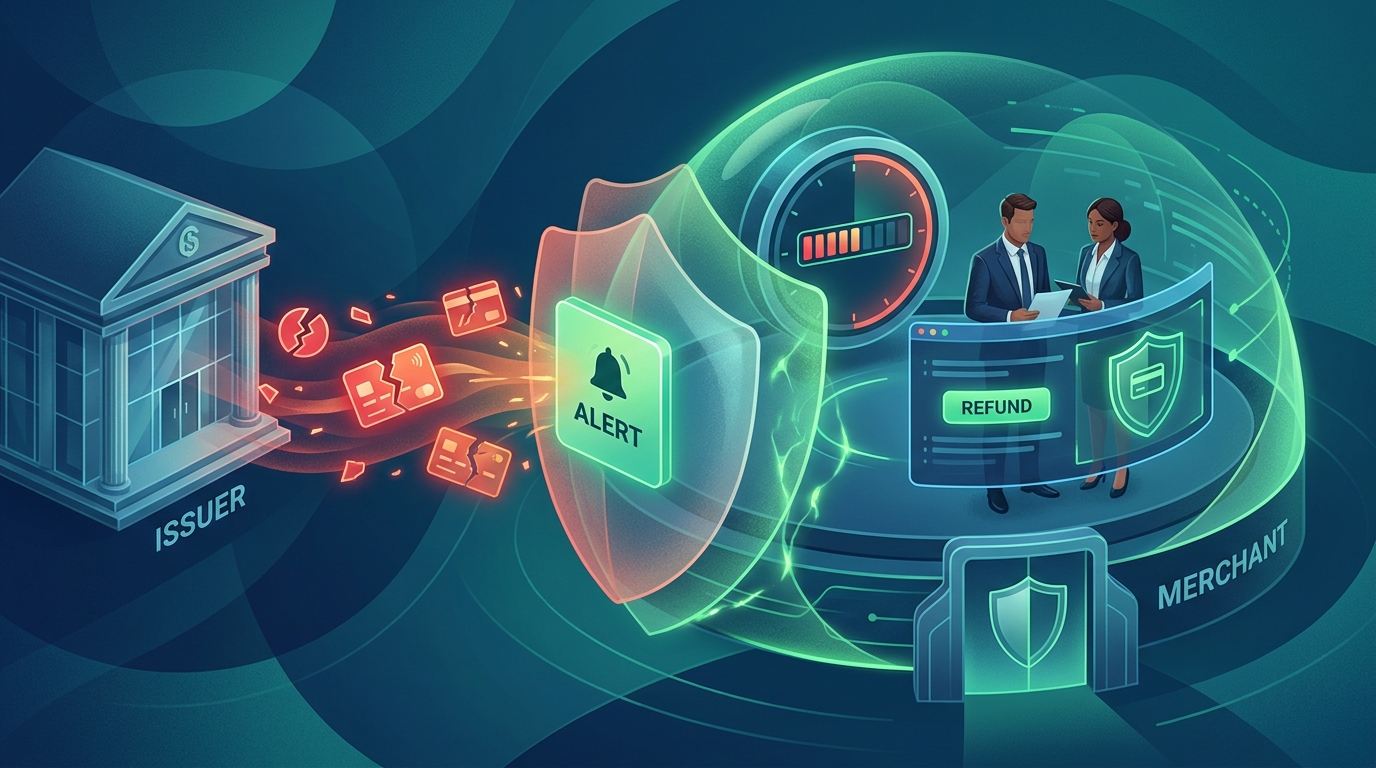
A chargeback alert is a real-time notification, sent by a dispute network on behalf of an issuing bank, telling a merchant that a cardholder has initiated a dispute. It arrives before the chargeback is formally filed, giving you a chance to refund and cancel the dispute.
The two networks most merchants encounter are Verifi, owned by Visa, and Ethoca, owned by Mastercard. Ethoca alerts and Verifi alerts cover different issuer footprints, which is why many merchants subscribe to both. Coverage is never total. An alert only reaches you if the cardholder’s bank participates in the network.
Pricing is simple. You pay a flat fee for every alert you receive, whether or not you act on it.
How Do Chargeback Alerts Work?
Once you are enrolled in a chargeback alert service, the flow is short and time-boxed:
- A cardholder contacts their issuing bank to dispute a charge.
- If the issuer participates in an alert network, the dispute details go to the network instead of straight to a chargeback.
- You receive the alert, usually within minutes to a few hours, with the transaction reference and dispute reason.
- You have a defined response window, commonly 24 to 72 hours, to act.
- Refund inside that window and the chargeback is withdrawn. Do nothing and the dispute proceeds normally.
The tradeoff is unavoidable. Refunding costs you the sale. What you avoid is the chargeback fee, the administrative time, and the hit to your dispute ratio. For high-ticket and subscription merchants, that math often favors the refund.
Chargeback Alerts vs. Rapid Dispute Resolution
Rapid Dispute Resolution, or RDR, is Visa’s automated version of the same idea. Instead of sending a notification to review, RDR applies rules you set in advance and refunds automatically when a dispute matches your criteria.
The practical difference is control versus speed. Chargeback prevention alerts require a decision inside the response window, so you can decline to refund a dispute you believe is illegitimate. RDR removes that decision and resolves qualifying disputes without your involvement, which is faster but less selective.
Most serious dispute programs use both, plus order-detail tools that surface purchase information to the issuer so the cardholder recognizes the charge before disputing at all. Kumaa Guard can coordinate these layers so alerts, automated rules, and evidence submission are not managed in three separate places.
When Are Chargeback Alerts Worth the Cost?
Alerts pay for themselves when the cost of a chargeback exceeds the alert fee plus the refund, or when your dispute ratio is near a monitoring threshold.
Two situations make the case strongest. First, if you are near a card network monitoring threshold, alerts are valuable beyond their direct economics, because pre-dispute resolutions are generally excluded from the ratio calculation. Visa tightened its acquirer monitoring threshold for merchants to 1.5 percent in April 2026, leaving less headroom than most merchants are used to. Second, if your average order value is high, avoiding a chargeback fee and a lost inventory unit usually beats a flat alert fee.
Alerts make less sense for low-ticket merchants, where the fee approaches the transaction value, and for merchants whose disputes trace back to a fixable cause like an unclear billing descriptor or a confusing cancellation flow. Fixing the cause removes those disputes entirely instead of refunding them one at a time.
Conclusion
Chargeback alerts buy you time, and time is the one thing the dispute process rarely gives merchants. Used well, they keep your dispute ratio out of danger and turn a chargeback into a simple refund. Used as a substitute for real prevention, they become a recurring bill for problems you could have solved upstream.