TL;DR / Key Takeaways
- Chargeback management is the end-to-end process of preventing, tracking, disputing, and analyzing payment disputes.
- More than 83% of enterprise merchants report that friendly fraud has increased over the past three years, and 74.4% now call it a moderate or significant concern.
- Only about 34% of merchants have a dedicated chargeback team, so disputes usually land on staff who were never trained for them.
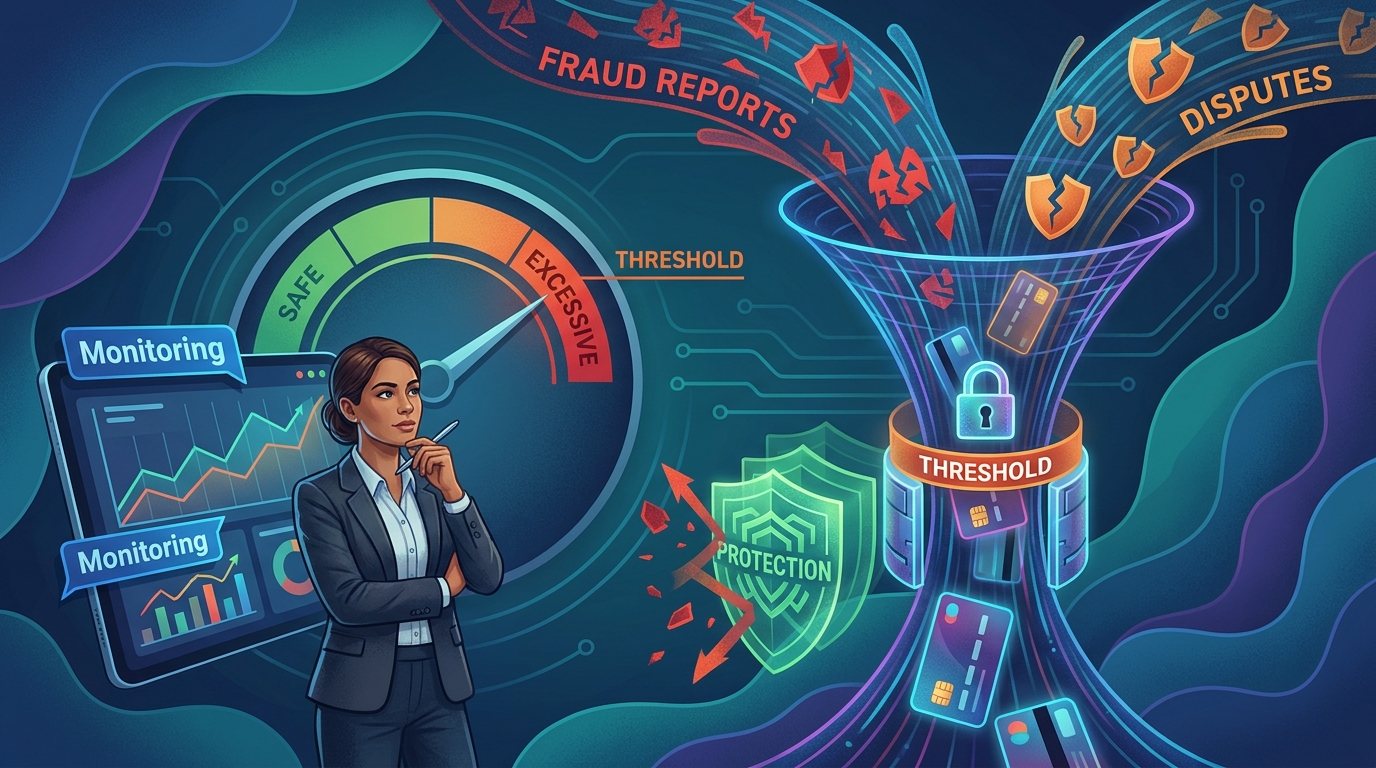
- Visa tightened its VAMP ratio threshold to 1.5%, which leaves far less room for error than merchants had a year ago.
- A working chargeback management process runs in four stages: prevention, alerts, representment, and analysis.
Why Chargeback Management Matters More in 2026?
You win the sale, ship the product, and then weeks later the money vanishes from your account along with a fee. That is a chargeback, and if you are seeing more of them lately, you are not imagining it.
Chargeback management is how merchants stop that cycle from becoming a permanent tax on revenue. Recent industry survey data shows more than 83% of enterprise merchants reported an increase in friendly fraud over the past three years, and 74.4% now describe it as a moderate or significant concern.
The stakes are higher because the goalposts moved. Visa tightened its acquirer monitoring thresholds in 2026, dropping the VAMP ratio limit from 2.2% to 1.5%. One bad quarter can now put you in a monitoring program.
What Is Chargeback Management?
Chargeback management is the process of preventing, tracking, disputing, and analyzing payment disputes across their full lifecycle. It covers everything from the billing descriptor a customer sees on their statement to the evidence you submit when you challenge a claim.
Most merchants treat chargebacks as an accounting problem. They are closer to an operations problem. Every dispute touches support, fulfillment, risk, and finance, and the real fix almost always lives upstream of the dispute itself.
That is where the gap shows up. Only about 34% of merchants have a dedicated chargeback team or department head, and fewer than 30% use any outside help. The work falls to people handling it alongside their actual job.
The Chargeback Management Process, Stage by Stage
A functional chargeback management process runs in four stages, and skipping any one of them costs you money.
- Prevention. Clear billing descriptors, obvious cancellation paths, delivery confirmation, and responsive support stop disputes before they start. A customer who can reach you rarely needs to call their bank.
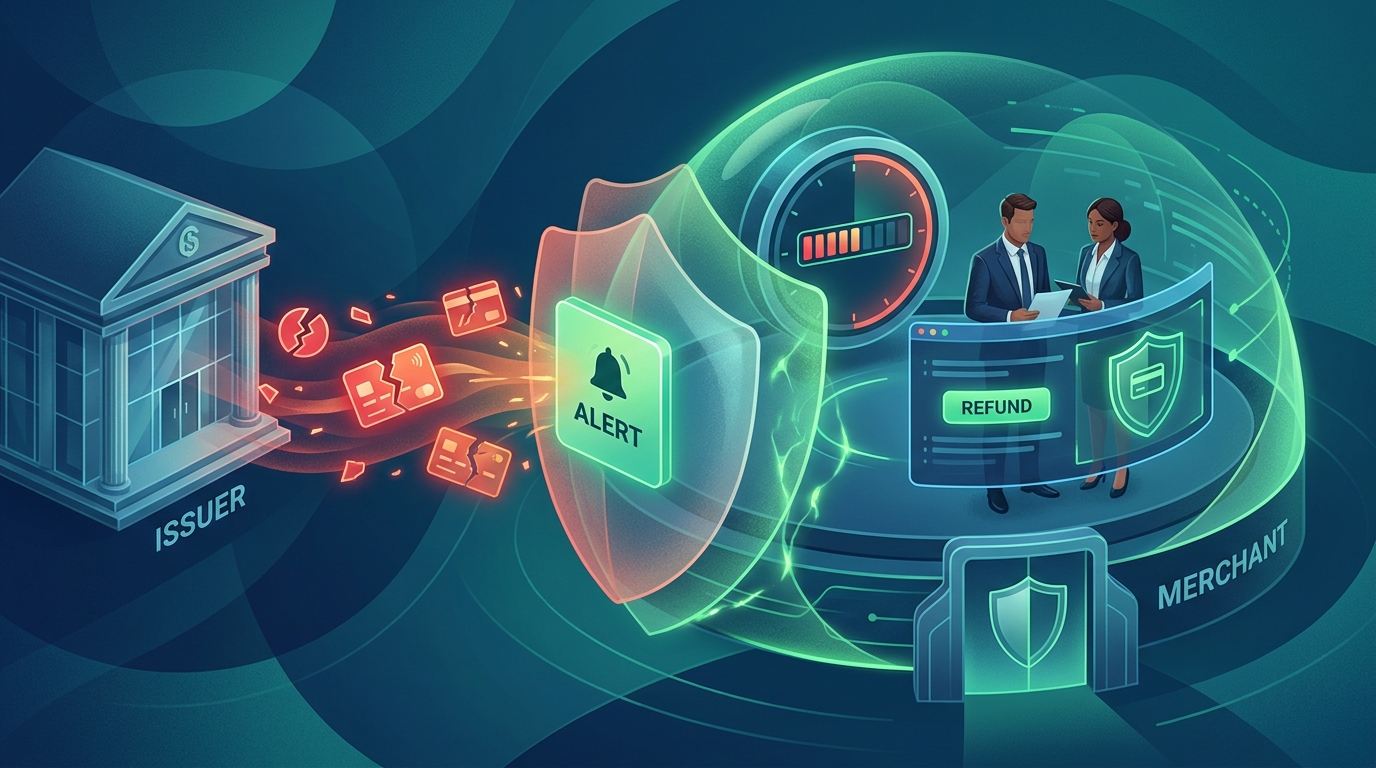
- Alerts. Card networks and alert providers flag a dispute before it hardens into a chargeback. Resolving it at this stage costs you the sale, not the sale plus fees plus a hit to your chargeback ratio.
- Representment. When a claim is wrong, you fight it with evidence: transaction logs, delivery records, device and IP data, and communication history. Chargeback representment is where most of the recoverable revenue sits.
- Analysis. Tag every dispute by reason code, product, and channel. The patterns tell you which SKU, subscription plan, or checkout flow is actually generating the problem.
Most merchants do the first and third stages and skip the second and fourth. That is why their chargeback ratio stays flat no matter how hard they fight individual disputes.
Chargeback Management Software vs Handling It Manually
Chargeback management software automates evidence gathering, deadline tracking, and response submission across card networks. Manual handling works fine until volume climbs, and then deadlines start slipping.
The math is unforgiving. Representment windows are short, evidence requirements differ by network and reason code, and a missed deadline is an automatic loss. Tools like Kumaa Guard handle collection and submission so your team reviews decisions instead of chasing paperwork.
Chargeback dispute management also gets harder as you add channels. A subscription business, a marketplace, and a one-time-purchase store each face different reason codes, and a setup built for one rarely transfers cleanly to another.
If you are early and low volume, a spreadsheet and a calendar reminder will hold. Past roughly 20 disputes a month, the manual approach usually costs more in staff hours than the disputes themselves.
How to Build a Chargeback Management System That Scales?
Start by measuring. You cannot manage what you do not track, so calculate your chargeback ratio every month and break it down by reason code rather than watching one blended number.
Then assign ownership. One accountable person beats four partly responsible ones. Give that person authority over billing descriptors, refund policy, and dispute responses, because those three levers drive most of the outcome.
Finally, close the loop. Feed dispute data back into product and support decisions every month. Refund abuse alone accounts for an estimated 27.1% of all returns, and that is a policy problem you can act on once you can see it clearly.
Conclusion
Chargeback management is not a back office chore. It is a revenue protection function, and with tighter network thresholds and rising friendly fraud, the merchants who treat it that way keep more of what they earn. Pick one stage, prevention or analysis, and fix it this quarter.