TL;DR / Key Takeaways
- Account takeover fraud is one of the fastest-growing threats in ecommerce, with global digital ATO volume rising 141% since 2021.
- Attackers are moving upstream, targeting user accounts instead of individual payment methods at checkout.
- Payment methods tied to account access (rewards programs, digital wallets, financing) see the highest fraud attempt rates.
- Two-factor authentication adoption remains below 4% across websites and apps, despite 93% of consumers willing to accept stronger verification.
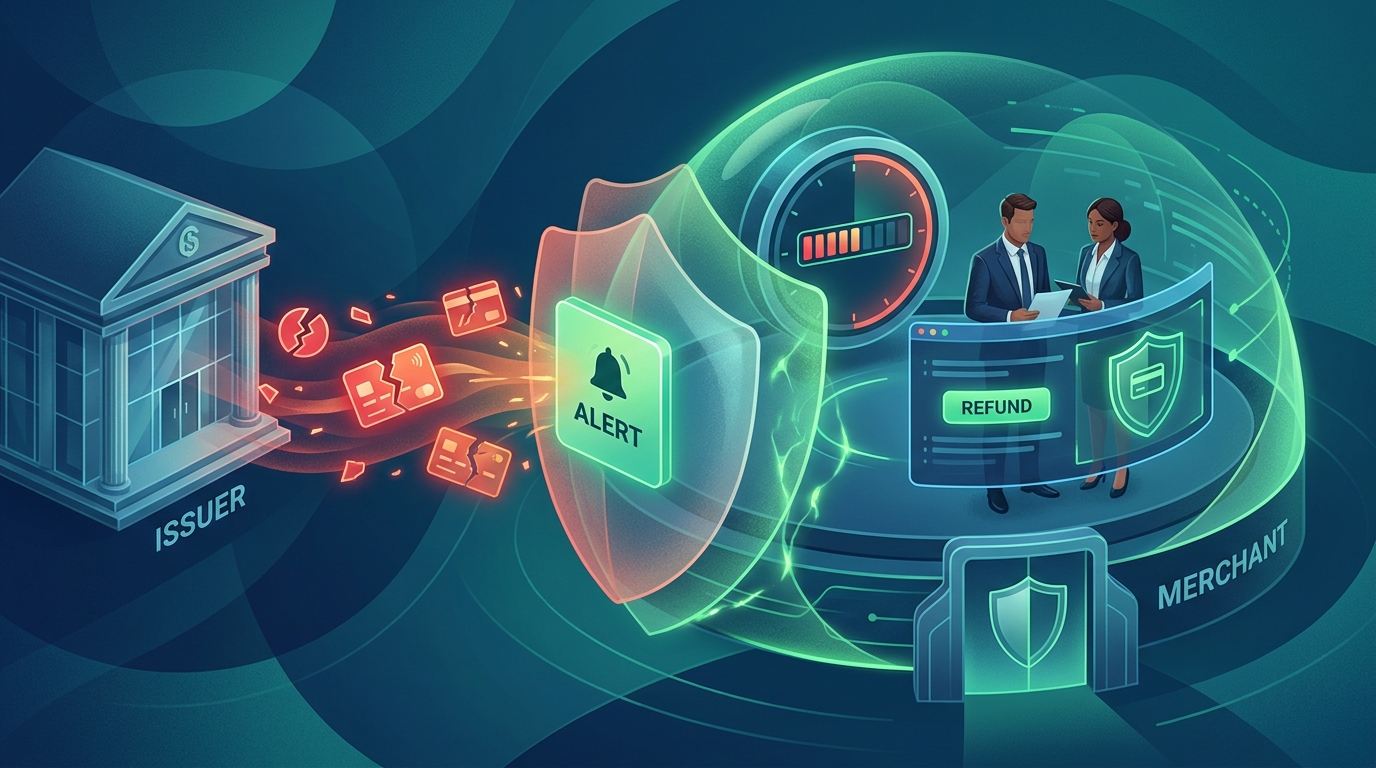
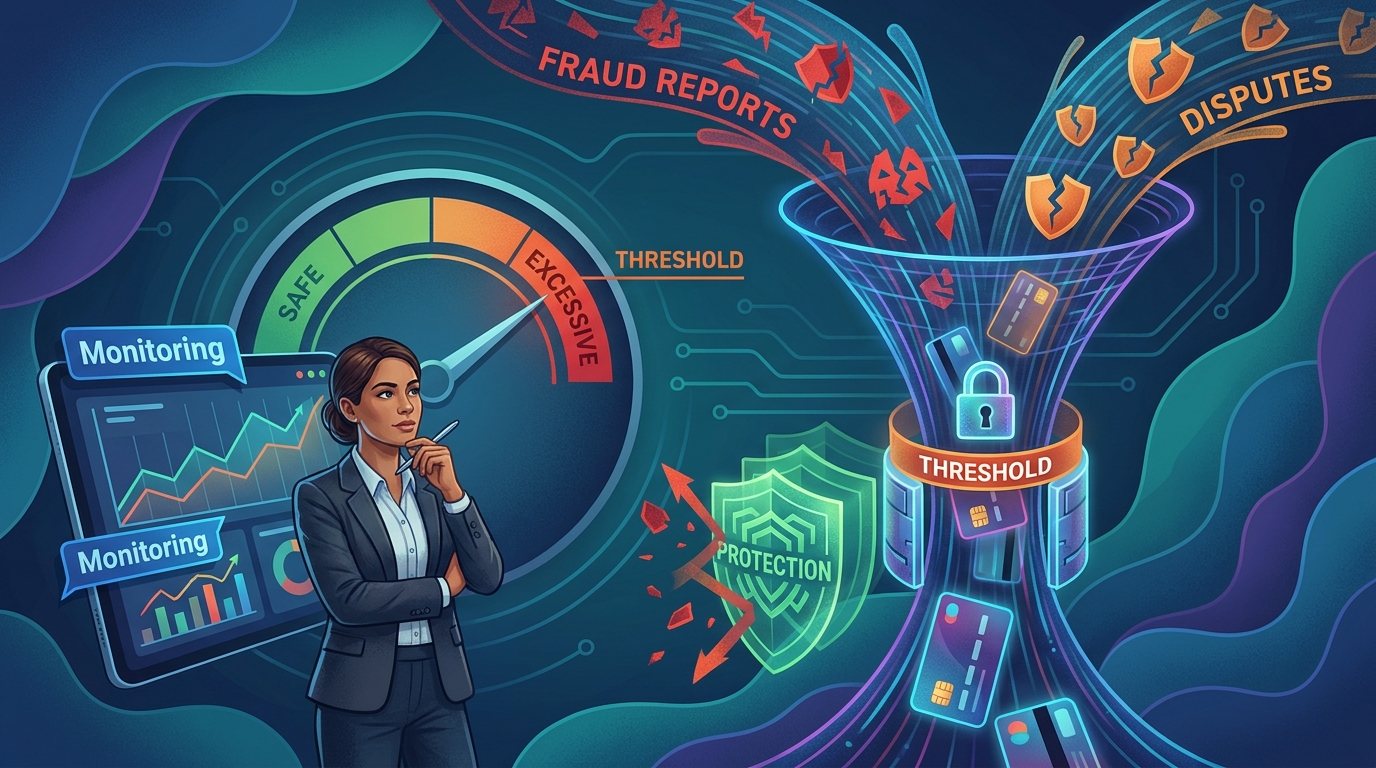
- Layered defenses combining behavioral biometrics, real-time monitoring, and automated alerts are the most effective way to close account takeover fraud prevention gaps.
What Is Account Takeover Fraud?
Account takeover fraud happens when a bad actor gains unauthorized access to a legitimate customer account, typically by stealing login credentials through phishing, credential stuffing, or malware. Once inside, the fraudster can use stored payment methods, redeem loyalty points, change shipping addresses, and make purchases that look perfectly normal to your fraud filters.
What makes ATO particularly dangerous is that transactions originate from a recognized, trusted account. Your system sees a returning customer with a verified email and saved credit card, not the person behind the screen. This makes account takeover fraud significantly harder to detect than a standard card-not-present attempt from an unknown device.
The scope of the problem is growing fast. According to industry data reported by The Paypers, global digital ATO volume rose 21% from the first half of 2024 to the first half of 2025, and a staggering 141% since 2021.
Why Is Account Takeover Surging in 2026?
Fraud pressure has shifted. While payment fraud rates at checkout have stabilized (hovering around 3.25% of transactions), attackers are moving upstream. Instead of pushing a stolen card through your checkout, they target the account itself. A compromised account gives them everything: saved cards, wallet balances, loyalty points, and purchase history. One breach, multiple payoffs.
AI is accelerating this shift. Fraudsters use automated credential stuffing tools that test stolen username and password combinations across hundreds of sites in minutes. Deepfake technology helps them bypass voice and video verification. Infostealer malware harvests login credentials silently from infected devices. According to The Paypers’ 2026 fraud forecast, fraud is now “industrialized,” with Fraud-as-a-Service platforms offering phishing kits, mule networks, and synthetic identity tools for as little as $50 per month.
The numbers reflect this escalation. ATO login block rates peaked at 1.8% of all login attempts in Q1 2025. One in five consumers reported experiencing an account takeover incident during the year. And the payment methods most dependent on account access saw the highest fraud attempt rates: rewards programs at 5.2%, financing at 4.3%, and digital wallets at 3.8%.
How to Prevent Account Takeover Fraud?
Stopping ATO requires defenses that work before, during, and after login. Here is what actually moves the needle.
Close the authentication gap. The biggest missed opportunity in account takeover fraud prevention is two-factor authentication. Industry data shows 93% of consumers are willing to accept additional verification steps, yet 2FA adoption sits between just 2.93% and 3.79%. Adding 2FA to login flows, especially for changing passwords, updating payment methods, or shipping to new addresses, is one of the simplest high-impact steps you can take.
Deploy behavioral biometrics. These tools track keystroke dynamics, swipe patterns, mouse movements, and device interactions to build a profile of how each legitimate user behaves. When someone logs in with valid credentials but types differently or uses a new device fingerprint, the system flags it. This shifts your defense from reactive to proactive.
Monitor accounts in real time. Tools like Kumaa Guard can help you monitor transaction patterns and flag anomalies as they happen. Real-time alerts on unusual login locations, rapid-fire purchase attempts, or sudden changes to account details give your team the window to intervene before damage is done.
Layer your defenses. No single tool stops ATO on its own. The most effective approach combines device fingerprinting, IP reputation scoring, velocity checks, and machine learning models that adapt to new attack patterns. According to the Merchant Risk Council’s 2026 report, merchants using layered fraud strategies consistently outperform those relying on a single solution.
What to Do After an Account Takeover Happens?
Even with strong defenses, some attacks will get through. How you respond determines whether you lose a customer permanently.
Speed matters. The moment you detect a compromised account, lock it, force a password reset, and notify the customer. According to industry research, 52% of consumers would stop using a platform entirely after experiencing fraud, but 37% say their response depends on how the company handles it. A fast, transparent response is your best chance at retention.
Review the damage: check for unauthorized purchases, changed shipping addresses, drained loyalty balances, and added payment methods. Reverse fraudulent transactions immediately. Document everything for your chargeback prevention process, because ATO-driven disputes are among the hardest to fight through representment. Then fix the gap. Every successful ATO reveals a weakness in your authentication or monitoring stack. Treat incidents as signals, not just losses.
The Bottom Line
Account takeover fraud is not slowing down. With ATO volume up 141% since 2021 and AI making attacks cheaper and faster to execute, merchants who rely on checkout-level fraud filters alone are exposed. The most effective defense starts at the account level: stronger authentication, behavioral monitoring, and real-time alerts that catch bad actors before they reach your payment flow.