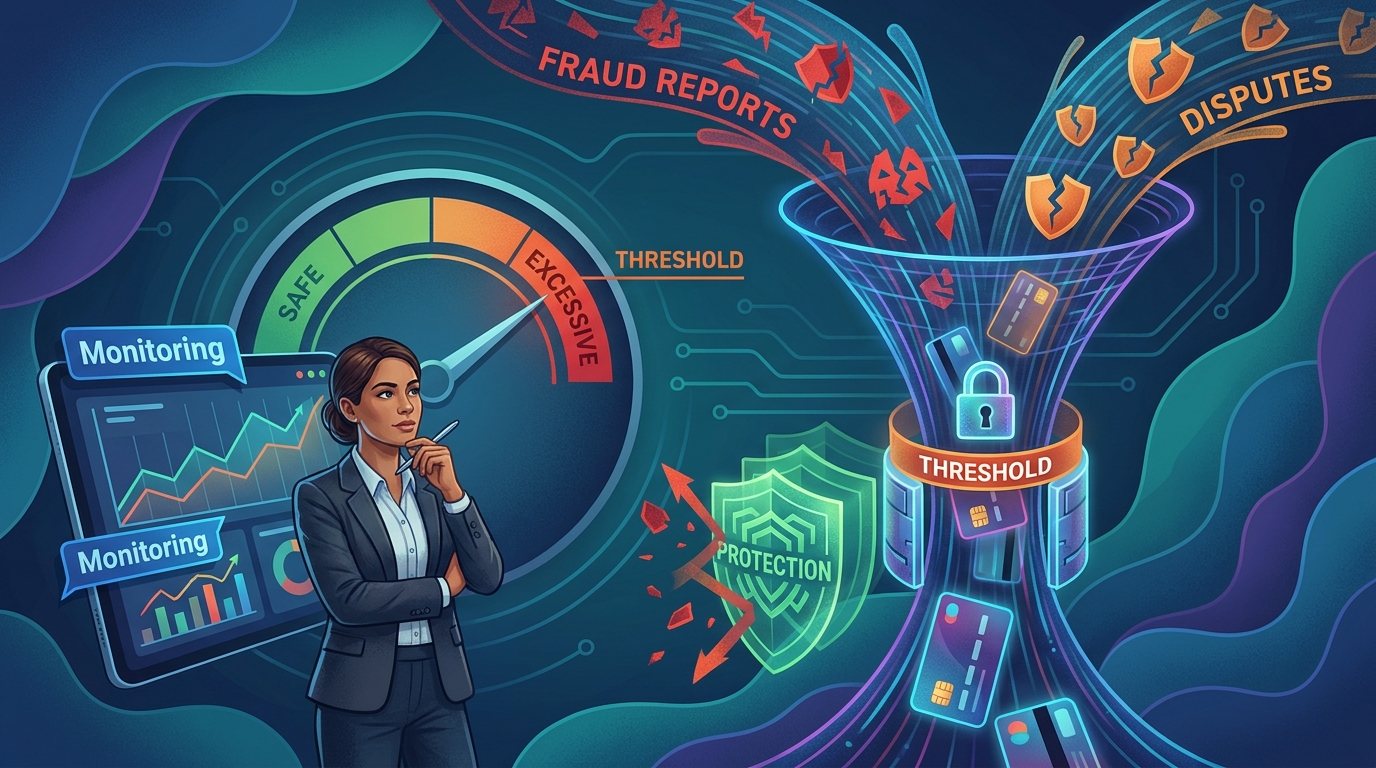
TL;DR / Key Takeaways
- AI fraud detection uses machine learning to score every transaction in milliseconds, catching patterns that static rules miss.
- Merchant losses from false declines are projected to exceed $231 billion in 2026, dwarfing actual fraud losses of $39.6 billion.
- Nearly two-thirds of merchants are either using or planning to adopt AI based fraud detection tools this year.
- The best AI fraud detection solutions balance catch rates with low false decline rates, stopping criminals without blocking real customers.
- Generative AI is creating new fraud threats like deepfake identities while also powering smarter defenses.
The State of AI Fraud Detection in 2026
If you run an online business in 2026, AI fraud detection is no longer optional. Fraudsters are using the same AI tools your marketing team loves to generate synthetic identities, craft phishing campaigns, and test stolen card numbers at scale. Static rule-based systems cannot keep up.
A recent global payments and fraud report found that merchants faced an average of 3.7 different fraud attack types in 2025, while 64% reported increasing rates of first-party misuse. The cost of getting fraud prevention wrong is not just what you lose to criminals. It is the legitimate customers your system blocks by mistake.
What Is AI Fraud Detection?
AI fraud detection is a real-time risk scoring system that uses machine learning to analyze payment transactions and automatically approve, flag, or block them before authorization. Unlike rule-based systems that rely on fixed thresholds, AI models evaluate hundreds of data points simultaneously: transaction amount, device fingerprint, buyer behavior, geographic location, and payment method history.
The critical difference is adaptability. Rule-based systems only know what you tell them. AI based fraud detection learns from every transaction it processes. According to a 2026 industry survey, more than 26% of merchants currently use AI based fraud prevention tools, while another 37% plan to adopt them soon.
How Does AI Fraud Detection Work?
AI powered fraud detection operates in four steps, all happening in milliseconds during checkout.
- The system collects signals from the transaction: payment amount, device fingerprint, IP address, and behavioral data from the browsing session.
- Machine learning models process these signals against known fraud patterns and legitimate transaction profiles built from billions of historical transactions.
- The model outputs a fraud probability score rather than a binary yes or no. A first-time buyer placing a large order from a new device scores differently depending on region, product category, and browsing behavior.
- Finally, based on the score and your configured thresholds, the system approves, flags for review, or declines the transaction automatically.
Why False Declines Cost More Than Fraud?
Most merchants focus on stopping fraud, but false declines are the bigger revenue killer. Industry data projects that global merchant losses from false declines will exceed $231 billion in 2026, compared to $39.6 billion in actual fraud losses. Every legitimate order your system blocks is a customer who may never come back.
This is where AI fraud detection solutions earn their value. By analyzing full behavioral context instead of relying on rigid rules, AI systems dramatically reduce false positive rates. Tools like Kumaa Guard help merchants automate this balance, catching real fraud while keeping approval rates high for legitimate customers.
How to Choose an AI Fraud Detection Solution?
When evaluating ai fraud detection solutions, focus on three metrics. Fraud catch rate measures the percentage of fraudulent transactions intercepted. False decline rate measures legitimate orders incorrectly blocked; target under 1%. Friction score reflects how much additional authentication the system adds for legitimate buyers.
Beyond metrics, look for systems trained on transaction data relevant to your market and payment methods. Ask whether the system continuously learns from new data and whether you can configure thresholds by market, payment type, and risk level.
AI Fraud Detection Is a Revenue Decision
AI fraud detection is no longer just about stopping criminals. In 2026, it is a revenue optimization tool. The merchants who get it right will catch more fraud, approve more legitimate orders, and retain more customers. The ones who do not will keep losing revenue to false declines they never even see. Whether you are evaluating your first AI fraud detection solution or upgrading from a legacy system, the question is not whether to adopt AI. It is how fast you can close the gap.