TL;DR / Key Takeaways
- BNPL chargebacks are rising as more shoppers use installment plans, and merchants are absorbing most of the risk.
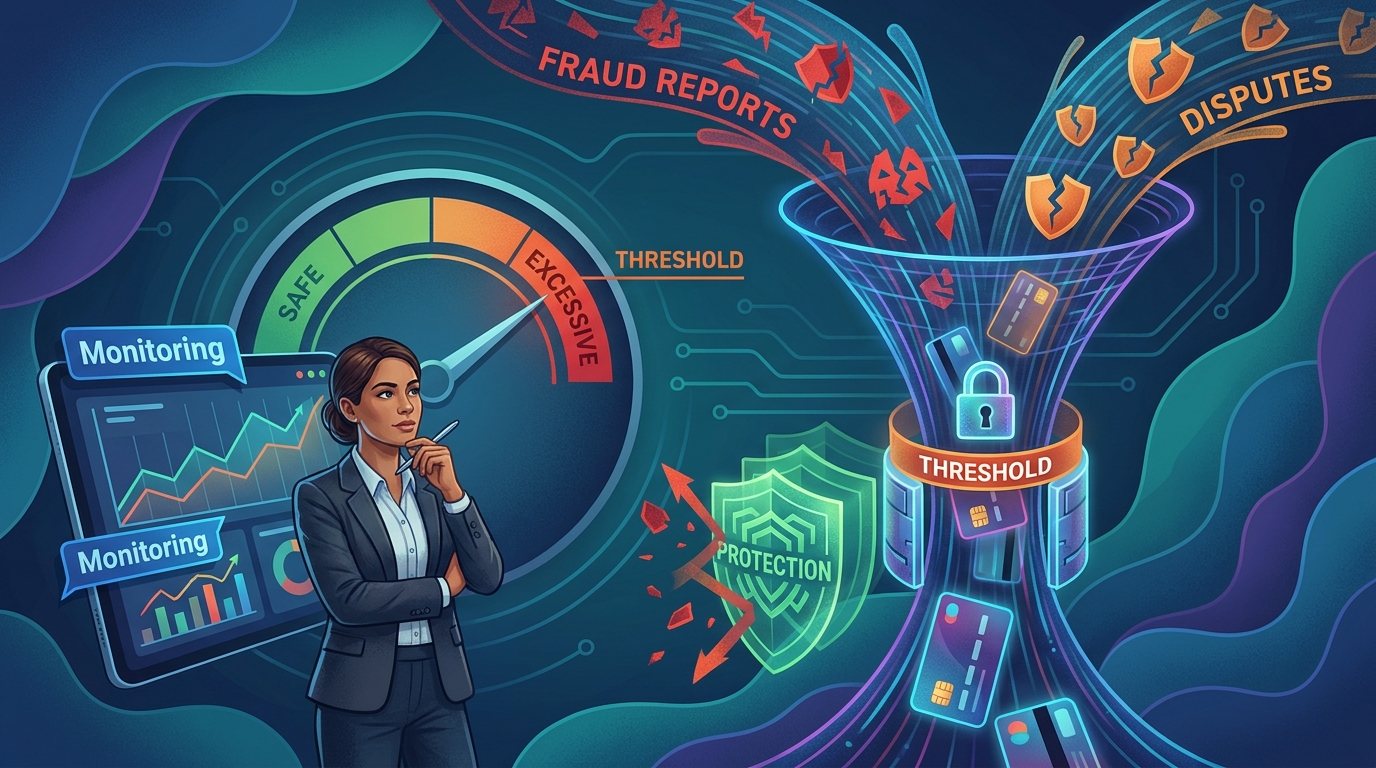
- Recent industry data shows 60%+ of BNPL users have filed at least one chargeback, and enterprise merchants report friendly fraud is up sharply.
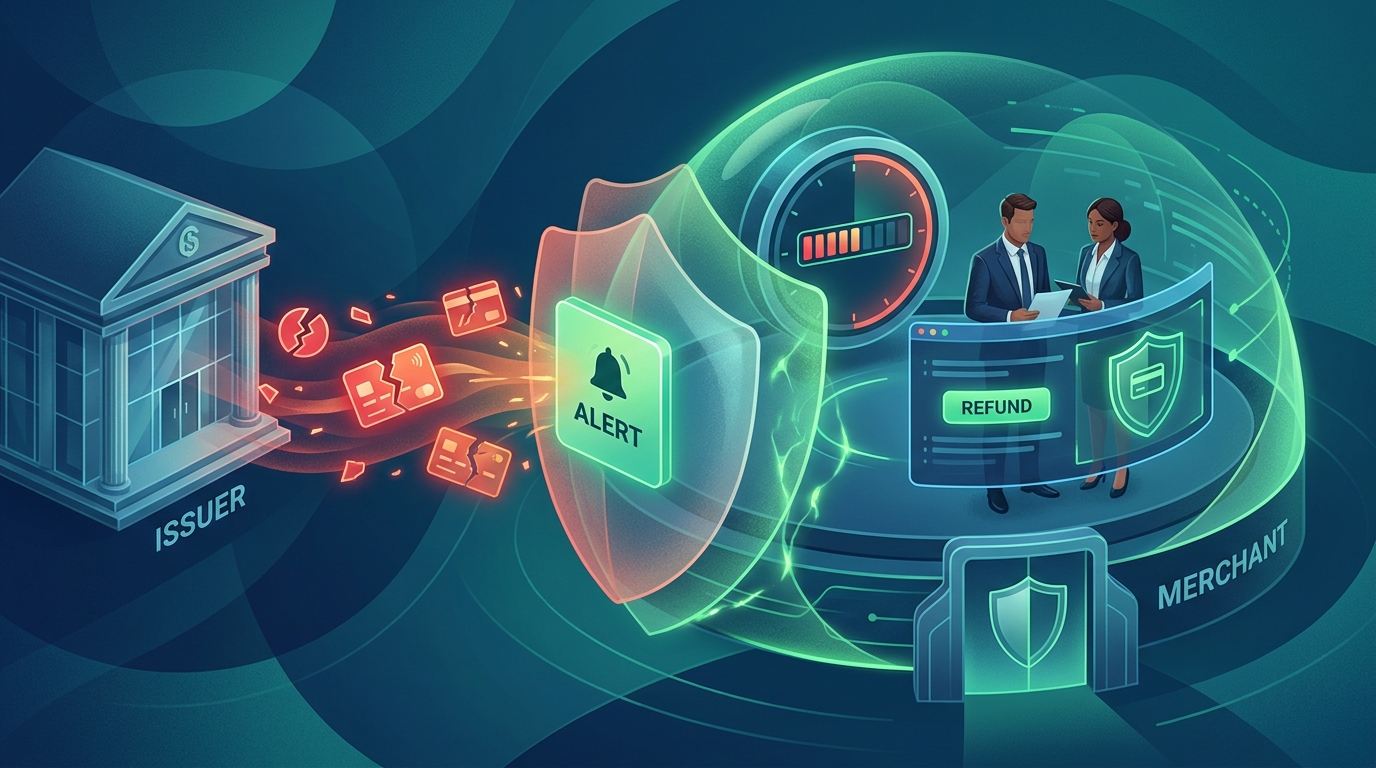
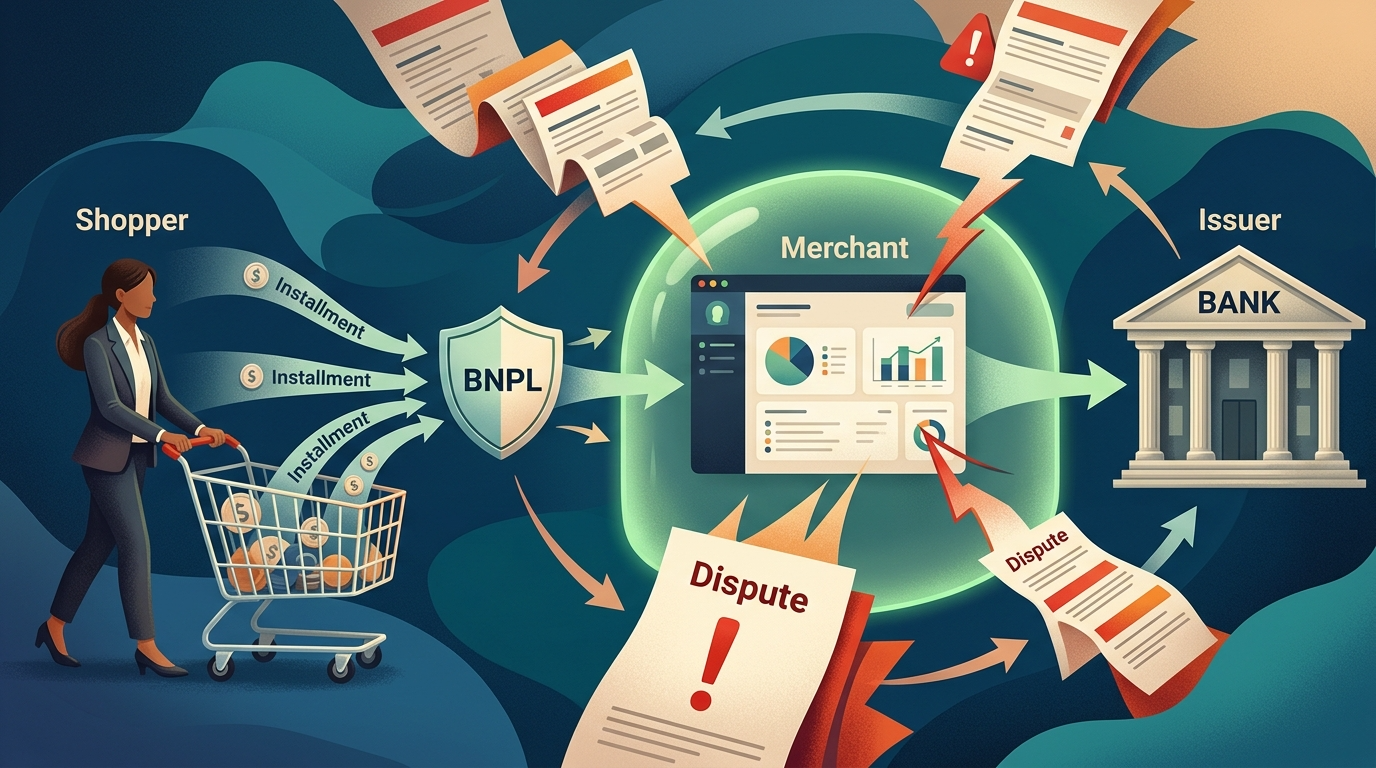
- BNPL disputes are harder to resolve than card chargebacks because three parties are involved: the merchant, the BNPL provider, and the card issuer.
- Regulatory changes in the US (CFPB) and UK (FCA, effective July 2026) are giving BNPL users more dispute rights.
Why BNPL Chargebacks Are Rising in 2026
If you sell online, you have probably noticed something: more customers are checking out with Buy Now, Pay Later, and more of them are filing disputes weeks later. BNPL chargebacks are quietly becoming one of the most frustrating cost centers for online merchants in 2026.
The problem is not just volume. It is complexity. When a shopper disputes a BNPL purchase, you are not dealing with one bank. You are often looping in the BNPL provider, the card issuer that funded the plan, and sometimes the payment processor too. That coordination overhead is why so many merchants lose disputes they should have won.
In this guide, you will learn what a BNPL chargeback actually is, why buy now pay later chargebacks are so hard to fight, and the specific steps you can take to prevent them.
What Is a BNPL Chargeback?
A BNPL chargeback is a dispute filed against a purchase that was funded through an installment plan, such as those offered by services like Afterpay, Klarna, Affirm, or Zip. The customer contests the transaction, and the merchant is typically pulled in to defend it, even though a third party processed the actual payment.
Two things make BNPL disputes different from a standard card chargeback. First, BNPL is usually funded on the back end by a virtual card or a bank pull, which means the chargeback rules that apply depend on how the BNPL provider structured the transaction. Second, the customer has already committed to paying in installments, so a dispute often reflects buyer’s remorse rather than actual fraud.
Recent industry research suggests that more than 60% of BNPL users have filed at least one chargeback, a share that dwarfs traditional card dispute rates. For merchants, that translates directly into lost revenue, product loss, and dispute fees.
Why BNPL Disputes Are So Complicated?
BNPL disputes are messy because the money flow is layered. A customer buys from you, the BNPL provider pays you upfront, and then the customer repays the BNPL provider over time. When something goes wrong, any one of those parties can trigger a dispute, and each may have different documentation requirements.
Refunds are the clearest example. A standard card refund reverses one transaction. A BNPL refund has to unwind the merchant charge, adjust the installment schedule with the provider, and often coordinate with the issuer of the funding card. Recent industry reporting notes that this coordination extends resolution times and creates gaps where customers file a chargeback out of frustration, even when a refund is in progress.
Then there is the regulatory shift. The US Consumer Financial Protection Bureau reclassified BNPL companies as credit card providers, giving users formal dispute rights similar to those on traditional credit cards. The UK’s Financial Conduct Authority confirmed a new BNPL rulebook effective 15 July 2026 that expands borrower protections further. In both regions, customers now have clearer paths to dispute, and merchants have less room for error in their response.
How to Prevent BNPL Chargebacks
You cannot stop every BNPL dispute, but you can significantly reduce them with a few operational changes.
Start with checkout clarity. Show the full installment schedule, the total price, and the BNPL provider’s name on the order confirmation and receipt. A large share of BNPL disputes are triggered by customers who did not recognize the charge on their statement, sometimes called BNPL fraud of the friendly variety. Enterprise merchant data from 2026 shows more than 83% of merchants have seen friendly fraud rise in the past three years, and BNPL is a major driver of that trend.
Next, tighten your refund process. Publish a clear BNPL refund policy, make cancellations easy in the first 24 to 48 hours, and communicate proactively when a refund is in flight. Most steps to prevent BNPL chargebacks come down to keeping customers informed, not chasing them after the fact.
Finally, invest in dispute tooling. BNPL disputes require faster response times and more evidence than traditional chargebacks. Automated solutions like Kumaa Guard pull together delivery confirmation, communication logs, and BNPL provider metadata into a single response packet, so you are not scrambling when a dispute lands. Pairing this with a broader chargeback prevention playbook keeps your dispute win rate high.
Conclusion
BNPL chargebacks are not going away, and the regulatory tailwind in both the US and UK means dispute volume will keep climbing. Merchants who lock down their checkout messaging, refund process, and dispute response will keep BNPL profitable. The ones who wait will keep paying for it in chargeback losses.