TL;DR / Key Takeaways
- Chargebacks cost far more than the disputed amount once fees, lost merchandise, and account restrictions pile up.
- 64% of merchants report increasing first-party misuse in 2026, making proactive chargeback prevention urgent.
- Clear billing descriptors and proactive communication stop many disputes before they start.
- Chargeback prevention alerts let you resolve disputes before they become formal chargebacks.
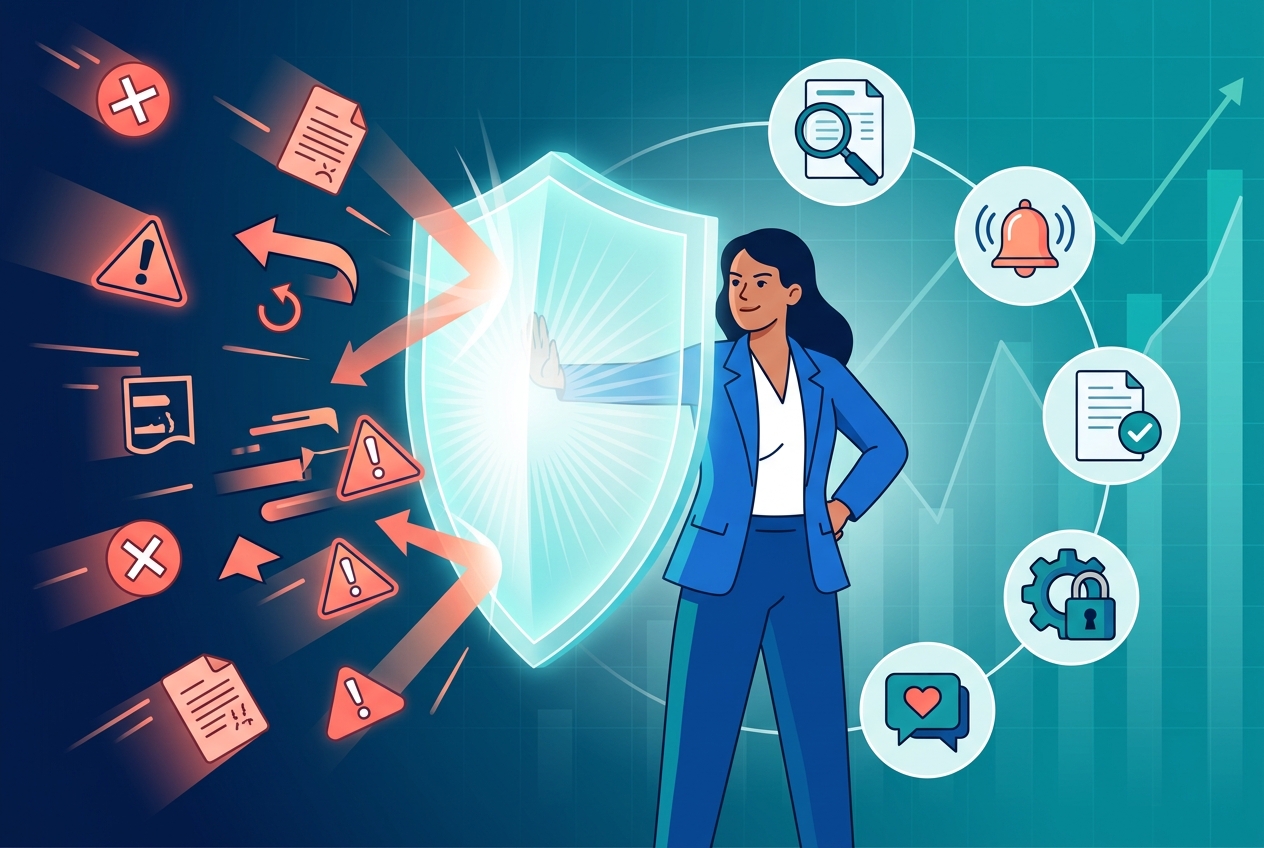
- The right chargeback prevention tools paired with strong processes form the most effective defense.
What Is Chargeback Prevention, and Why Does It Matter Now?
If you run an online business, chargebacks are probably eating into your profits more than you realize. Chargeback prevention is the set of strategies, tools, and processes merchants use to stop payment disputes before they happen, or resolve them before they escalate.
The numbers back this up: the 2026 Chargeback Field Report found that dispute volumes are surging across industries, regions, and revenue bands. At the same time, the Merchant Risk Council's 2026 Global eCommerce Payments and Fraud Report revealed that 64% of merchants are seeing increasing rates of first-party misuse, with one in four reporting jumps of 25% or more.
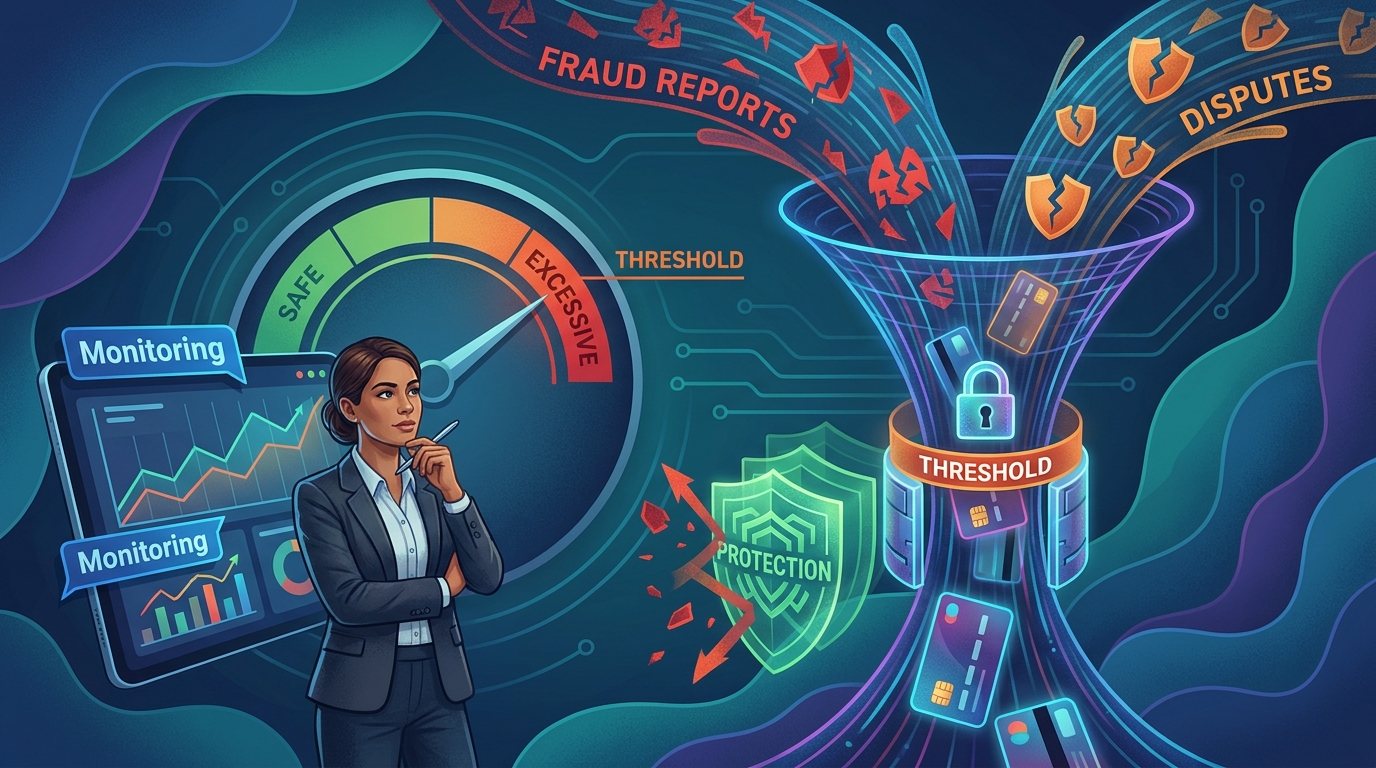
Every chargeback triggers processing fees, administrative costs, and lost merchandise. A high chargeback ratio can land you in a card network monitoring program, meaning higher fees, fines, or even losing your ability to accept cards.
How Do Chargebacks Actually Happen?
Understanding how disputes originate helps you prevent them. Chargebacks fall into three broad categories.
Criminal fraud is the most straightforward: a stolen card is used to make a purchase, and the real cardholder disputes it. Strong chargeback fraud prevention measures like 3D Secure and address verification can catch most of these.
Merchant error covers situations where the customer has a legitimate complaint. Maybe the product arrived damaged, the wrong item shipped, or a refund took too long. These are preventable with better operations.
Friendly fraud (also called first-party misuse) is the fastest-growing category. This is when a customer makes a legitimate purchase, then disputes it anyway. More than 83% of enterprise merchants have seen friendly fraud increase over the past three years, and nearly three-quarters now describe it as a moderate or significant concern.
What Chargeback Prevention Strategies Actually Work?
Not every prevention strategy delivers the same return. Here are five that consistently reduce dispute rates for merchants.
1. Fix Your Billing Descriptors
If your billing descriptor shows a corporate entity name that customers don't recognize, they'll dispute the charge out of confusion. Make sure your descriptor clearly shows your customer-facing brand name, website URL, or a phone number they can call. It takes minutes to update and prevents a surprising number of disputes.
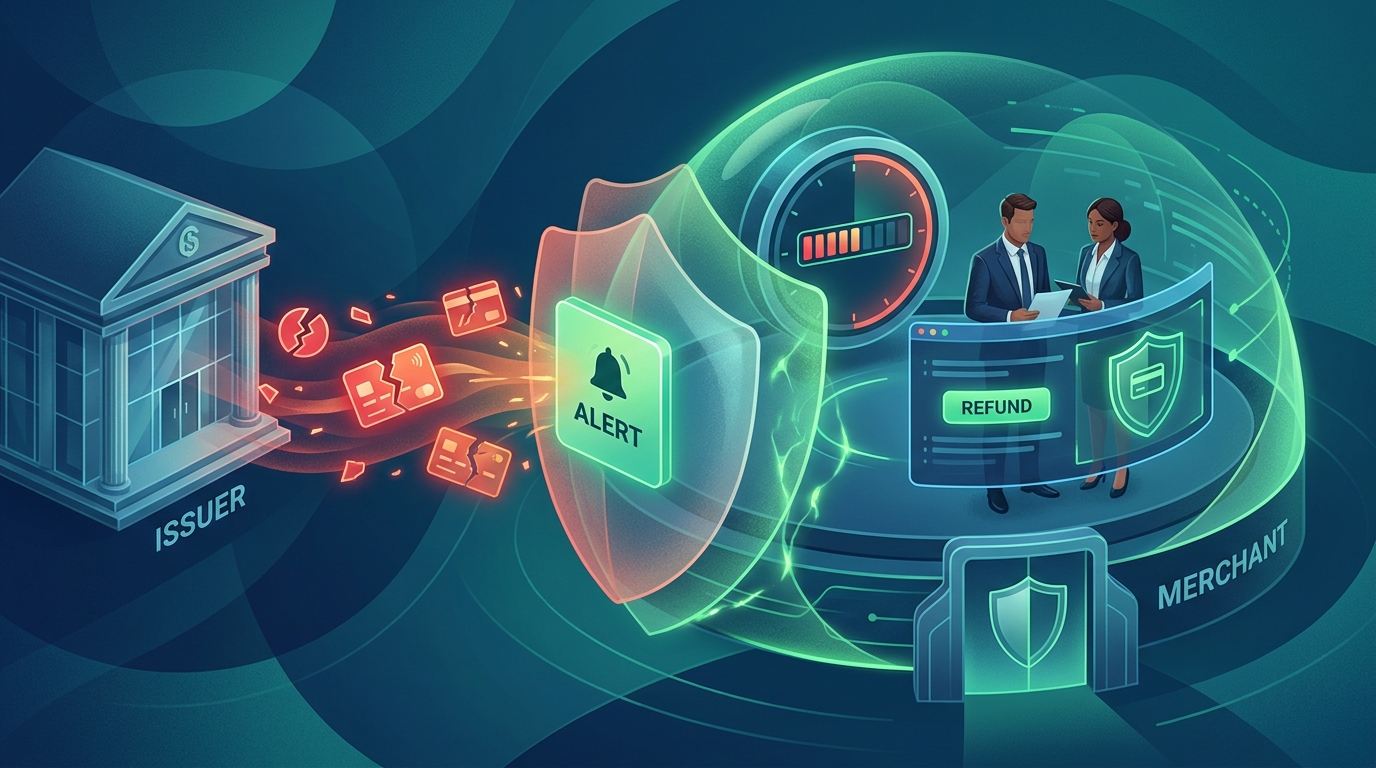
2. Use Chargeback Prevention Alerts
Chargeback prevention alerts notify you the moment a customer initiates a dispute with their bank, before it becomes a formal chargeback. This gives you a narrow window (usually 24 to 72 hours) to issue a refund and stop the chargeback from hitting your account. You lose the sale either way, but you avoid the fee and protect your ratio. Services like Kumaa Guard automate this process so disputes get resolved without manual intervention.
3. Communicate Proactively with Customers
Many disputes happen because customers feel ignored. Sending instant order confirmations, shipping updates with tracking numbers, and clear return policies gives customers a reason to contact you directly instead of calling their bank. The 2026 Chargeback Field Report found that merchants with strong post-purchase communication consistently report lower dispute rates.
4. Deploy the Right Chargeback Prevention Tools
Only about 34% of merchants have a dedicated chargeback team, and fewer than 30% use any form of third-party assistance for dispute management. That's a gap worth closing. Modern chargeback prevention tools combine real-time transaction monitoring, automated evidence collection, and analytics to flag risky transactions before they clear. The key is choosing tools that integrate with your existing payment stack rather than adding another disconnected dashboard.
5. Build a Dispute Response System
When chargebacks do get through, you need a system for fighting back. This means maintaining organized evidence: proof of delivery, IP addresses, matching billing and shipping ZIP codes, customer service logs, and signed agreements. Proactive dispute management isn't just about clawing back revenue. It's about protecting your merchant account from the cascading consequences of a high chargeback ratio, including fines and placement on industry monitoring lists.
Conclusion
The dispute landscape is only getting more complex, but chargeback prevention doesn’t have to be. Start with billing descriptors and customer communication, two changes that cost nothing. Layer in chargeback prevention alerts to catch disputes early, and build toward dedicated tools and a structured dispute response process for long-term protection. Nearly two-thirds of merchants are now using or preparing to use AI in their fraud prevention strategies, a sign the industry is moving toward more automated approaches. The merchants who treat chargeback prevention as a core operational priority are the ones protecting their revenue and their ability to keep processing payments.