TL;DR / Key Takeaways
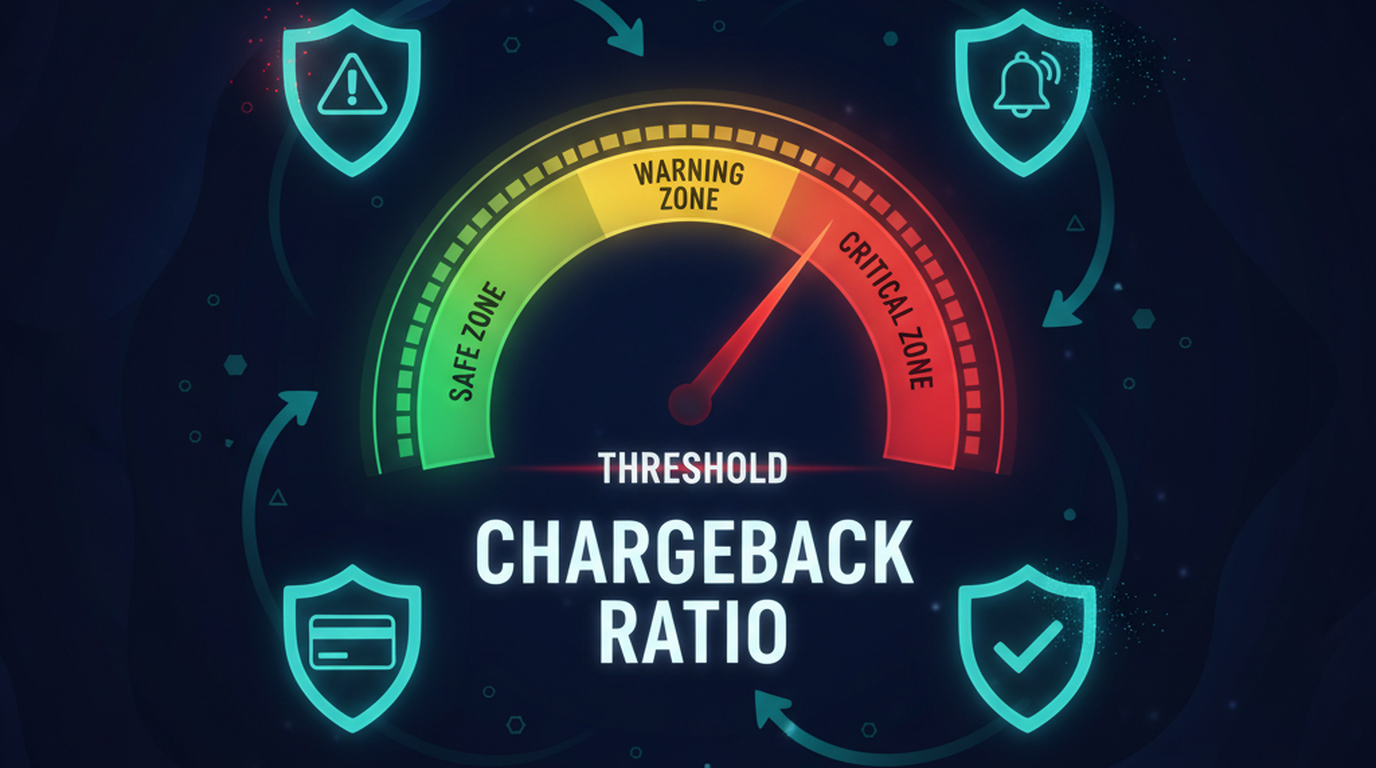
- Your chargeback ratio measures disputed transactions against total transactions, and card networks use it to decide whether you stay in good standing.
- Visa’s updated monitoring program lowered its “excessive” threshold to 1.5% in April 2026, giving merchants less room for error.
- Mastercard launched its own Scam Merchant Monitoring Program in July 2026, requiring acquirers to investigate flagged merchants within 72 hours.
- Exceeding acceptable thresholds triggers fees, fines, and potential loss of processing privileges.
- Prevention tools, clear billing descriptors, and proactive monitoring are the most effective ways to keep your ratio low.
What Is a Chargeback Ratio and Why Does It Matter in 2026?
If you process card payments, your chargeback ratio is one of the most important numbers you probably aren’t watching closely enough. It’s the metric card networks use to evaluate how well you’re managing disputes, and in 2026, the stakes for getting it wrong have never been higher.
Both Visa and Mastercard tightened their monitoring programs this year, lowering the thresholds that trigger penalties and enforcement. For merchants, that means the margin between “compliant” and “in trouble” just got a lot thinner.
How to Calculate Your Chargeback Ratio?
Your chargeback ratio (sometimes called a chargeback to sales ratio) is the number of chargebacks you receive in a given month divided by the total number of transactions you processed that month. Most card networks express it as a percentage.
Here’s the basic formula: chargebacks in a month divided by total transactions in that month, multiplied by 100. For example, if you processed 1,000 transactions and received 8 chargebacks, your ratio is 0.8%. That might sound small, but it’s already above some monitoring thresholds.
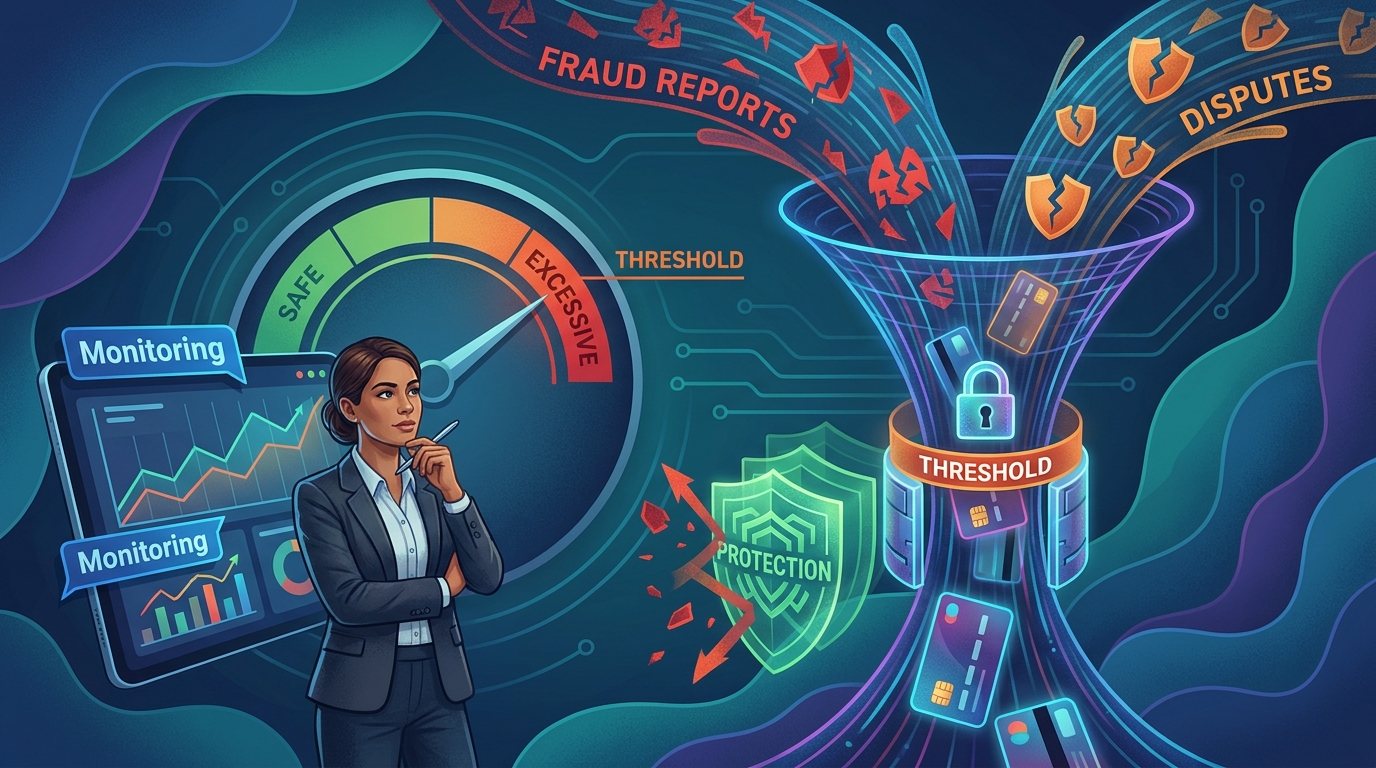
One important detail: Visa’s updated monitoring framework factors in both disputes and fraud reports (called TC40 reports) submitted by issuing banks. That means even if a fraudulent transaction doesn’t result in a formal chargeback, it can still count against you. Merchants who only track chargebacks without monitoring fraud reports may be underestimating their true exposure.
What Is an Acceptable Chargeback Ratio?
The acceptable chargeback ratio depends on which card network you’re looking at, and the numbers shifted significantly in 2026.
Visa’s Acquirer Monitoring Program (VAMP) lowered the “excessive” merchant threshold from 2.2% to 1.5% in April 2026. The acquirer-level thresholds are even stricter: 0.5% for “above standard” and 0.7% for “excessive.” Merchants enrolled in the program face fees of $8 per fraudulent or disputed transaction. According to a 2026 industry report, nearly half of acquirers identified in the program improved their performance within a single quarter, showing that remediation works when merchants take it seriously.
Mastercard introduced its Scam Merchant Monitoring Program (SMMP) in July 2026, targeting authorized payment scams specifically. Under SMMP, acquirers must investigate flagged merchant activity within 72 hours. Industry analysis notes that this compressed timeline is a significant shift, as merchants now face faster enforcement than ever before. As a general rule, most payment processors recommend keeping your chargeback ratio below 0.65% to maintain a comfortable buffer below both networks’ thresholds.
What Happens When Your Chargeback Ratio Gets Too High?
A high chargeback ratio triggers a cascade of consequences that go well beyond a warning email.
First come the financial penalties. Visa’s VAMP program charges $8 per flagged transaction once you’re enrolled. Mastercard’s program requires acquirers to take documented action, which can include additional scrutiny, processing restrictions, or termination.
Beyond direct fines, a high ratio can increase your processing fees. Acquirers view high-dispute merchants as risky, and that risk gets priced into your rates. In severe cases, you could lose your merchant account entirely, landing on the MATCH list (Member Alert to Control High-Risk Merchants), which makes it extremely difficult to find a new payment processor. With dispute volumes rising industry-wide, staying below threshold requires active effort, not passive hope.
How to Lower Your Chargeback Ratio?
Reducing your chargeback ratio comes down to two things: preventing disputes from happening and resolving them before they become chargebacks.
On the prevention side, start with the basics. Use clear billing descriptors so customers recognize charges on their statements. Implement address verification (AVS) and CVV matching to filter out low-effort fraud. Add 3D Secure authentication for an extra layer of protection that also shifts liability away from you on unauthorized transaction claims. For merchants dealing with higher volumes, advanced fraud detection tools that use machine learning can flag suspicious transactions before they’re completed. These tools analyze patterns like unusual purchasing behavior, device inconsistencies, and signs of card testing activity.
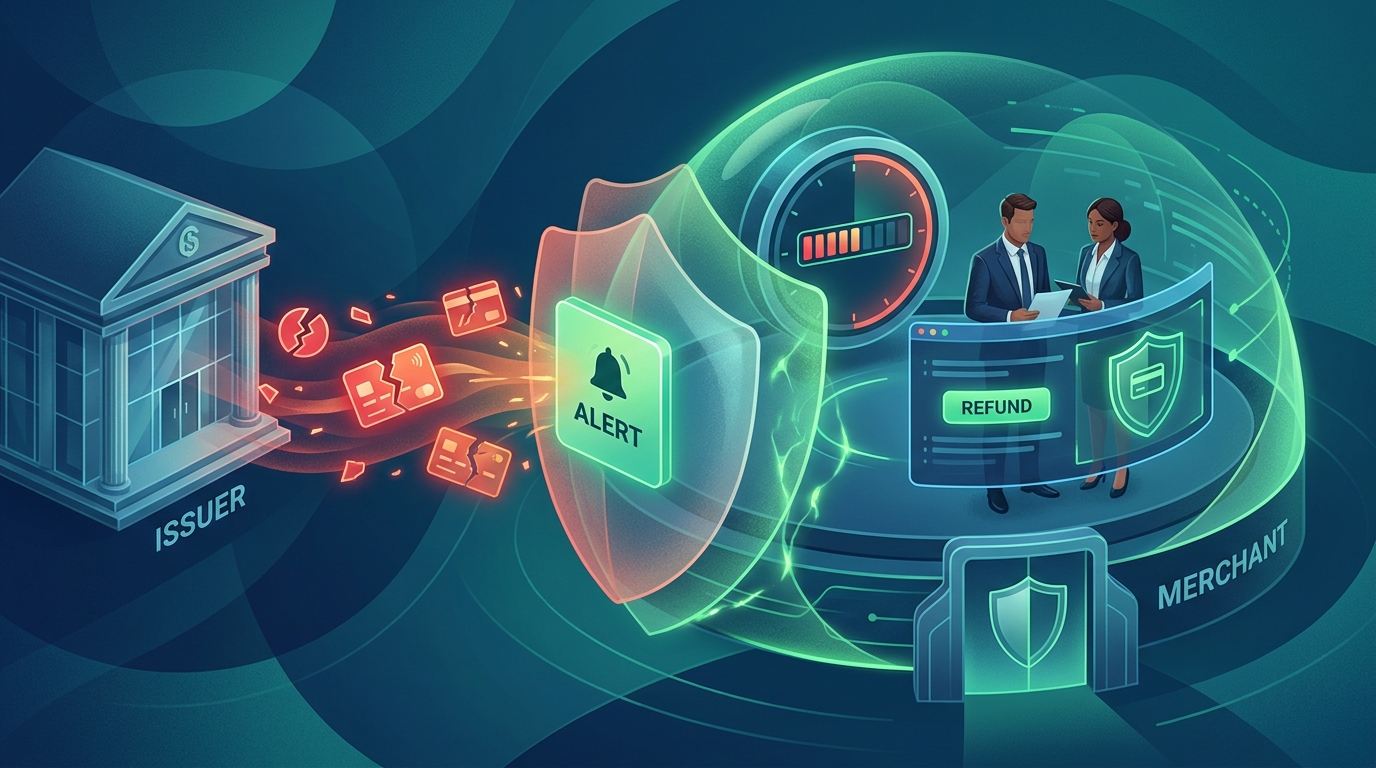
On the resolution side, chargeback prevention alerts pause incoming disputes and give you the chance to issue a refund before a chargeback is filed. Order insight tools provide issuers with detailed transaction data at the time of inquiry, helping cardholders recognize legitimate purchases without escalating the issue. Tools like Kumaa Guard can help automate this process, combining dispute prevention alerts with real-time monitoring to catch problems before they impact your ratio.
Finally, dig into your dispute data regularly. Look for patterns: are chargebacks concentrated on certain products, fulfillment channels, or customer segments? Addressing root causes (like unclear return policies or slow customer service response times) is often more effective than any single tool.
Keeping Your Ratio Low Is an Ongoing Job
Your chargeback ratio isn’t a number you check once and forget. With Visa and Mastercard both tightening enforcement in 2026, proactive monitoring and prevention are essential to protecting your processing privileges and your bottom line. Build a buffer below the thresholds, invest in the right tools, and treat dispute management as an ongoing part of your operations.