TL;DR / Key Takeaways
- Chargeback representment is the formal process merchants use to dispute chargebacks they believe are illegitimate, and it's your main tool for recovering lost revenue.
- Win rates range from 20% to 45% on average, but merchants with structured evidence processes consistently push above 50%.
- The typical chargeback representment timeline gives you 30 to 45 days to respond, though responding within 10 days can help you avoid additional fees.
- Compelling evidence is everything: proof of delivery, transaction logs, customer communications, and usage data can make or break your case.
What Is Chargeback Representment?
Chargeback representment is the process of challenging a chargeback by re-presenting the original transaction to the issuing bank with evidence that the charge was legitimate. It's your right as a merchant to fight back when a customer disputes a valid transaction.
This matters more than ever. The 2026 MRC Global eCommerce Payments and Fraud Report found that the average enterprise loses $11.4 million a year to fraud. With friendly fraud accounting for up to 75% of chargebacks in some categories, many of those disputes are ones you can and should contest.
Yet most merchants don't fight back effectively. Most brands lose disputes they could win, not because the facts aren't on their side, but because the evidence wasn't organized properly.
How Does the Chargeback Representment Process Work?
The chargeback representment process follows a structured series of steps.
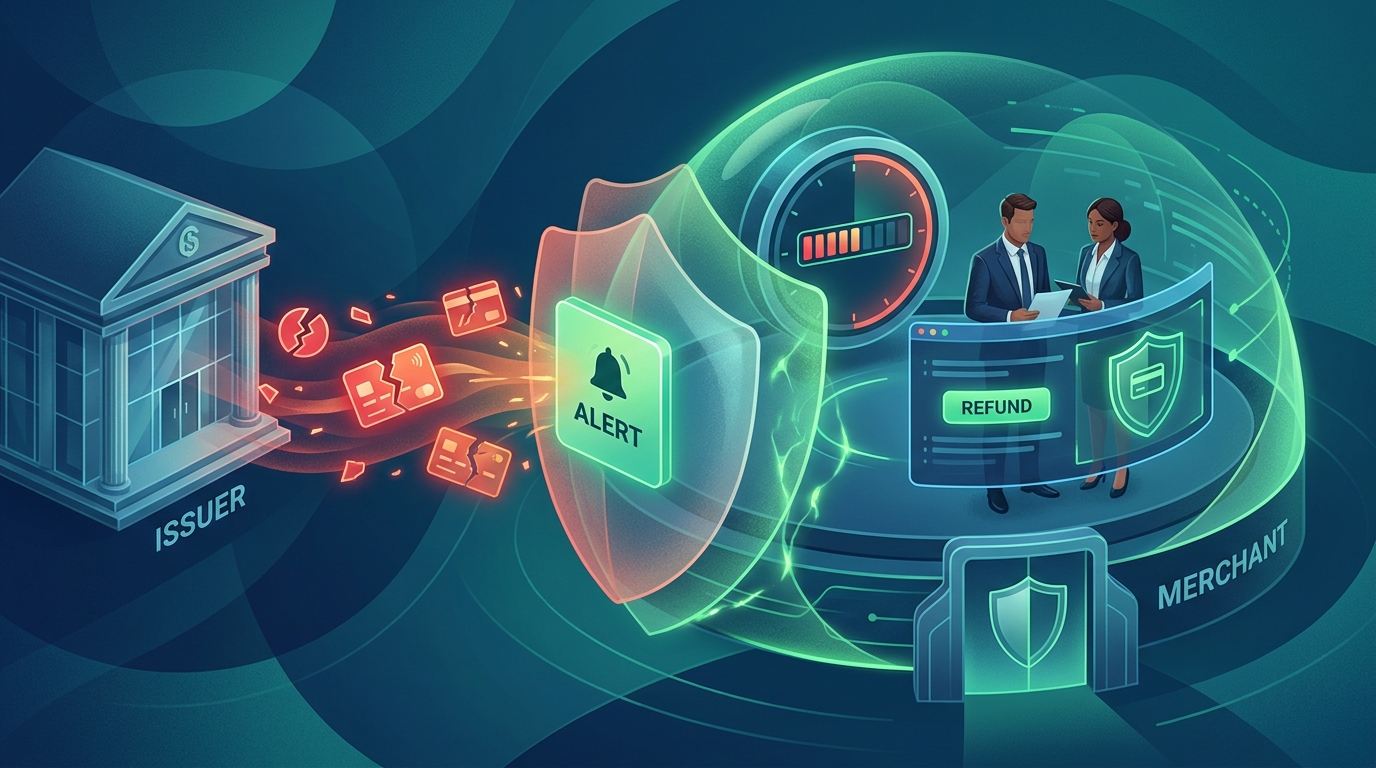
First, your payment processor notifies you of the dispute with a reason code explaining why the cardholder filed the chargeback. Common categories include "item not received," "not as described," or "unauthorized transaction."
Next, you gather evidence. This is the most critical step. Your evidence package should include proof of delivery (tracking numbers or signed receipts), order confirmation emails, customer communications like chat logs or support tickets, transaction authorization records, and usage data such as IP address logs.
Then you write a rebuttal letter addressing the specific reason code, explaining why the charge was legitimate, and referencing each piece of evidence. Your acquirer submits this to the card network and issuing bank.
The issuer evaluates your case. If persuasive, the chargeback is reversed and funds are returned. If not, some networks allow a second round of arbitration, though this comes with additional fees.
What's the Chargeback Representment Timeline?
Each card network sets its own chargeback representment timeline, but most give merchants 30 to 45 days to respond. The real deadline is tighter than it looks. Recent fee changes mean merchants who respond within 10 days avoid additional fees. Miss that window, and costs escalate. The average cost to resolve a single dispute has risen to $82 in 2026, up from $74 in 2025.
The full cycle from dispute to resolution typically takes 60 to 90 days, depending on the network and whether the case goes to arbitration. But the merchant's response time remains the one variable you can control.
Build internal processes that flag disputes immediately and pull evidence automatically. Merchants using automated dispute management platforms see net recovery rates more than 55% higher than those handling representment manually.
How to Improve Your Win Rate?
Win rates on chargeback representment vary significantly. Industry benchmarks put the average somewhere between 20% and 45%, but well-prepared merchants routinely exceed 50%. On well-defended fraud-claim disputes specifically, win rates can reach above 70%.
Here's what separates the winners from the rest.
Focus strategically. Not every chargeback is worth fighting. Prioritize disputes where you have strong evidence, particularly friendly fraud cases where the customer received the product or service.
Use updated evidence frameworks. Visa's Compelling Evidence 3.0 lets merchants submit richer transaction data, including purchase history and IP addresses from previous legitimate transactions. Merchants using CE 3.0 are winning up to 20% more disputes. Mastercard's First-Party Trust Program offers similar benefits for contesting first-party misuse.
Automate where possible. Manual evidence gathering is slow and error-prone. Tools like Kumaa Guard automate the collection of transaction data, delivery confirmations, and customer interaction logs, so your representment package is ready before the clock starts. Paired with chargeback prevention strategies like alerts and order validation, you create a complete defense system.
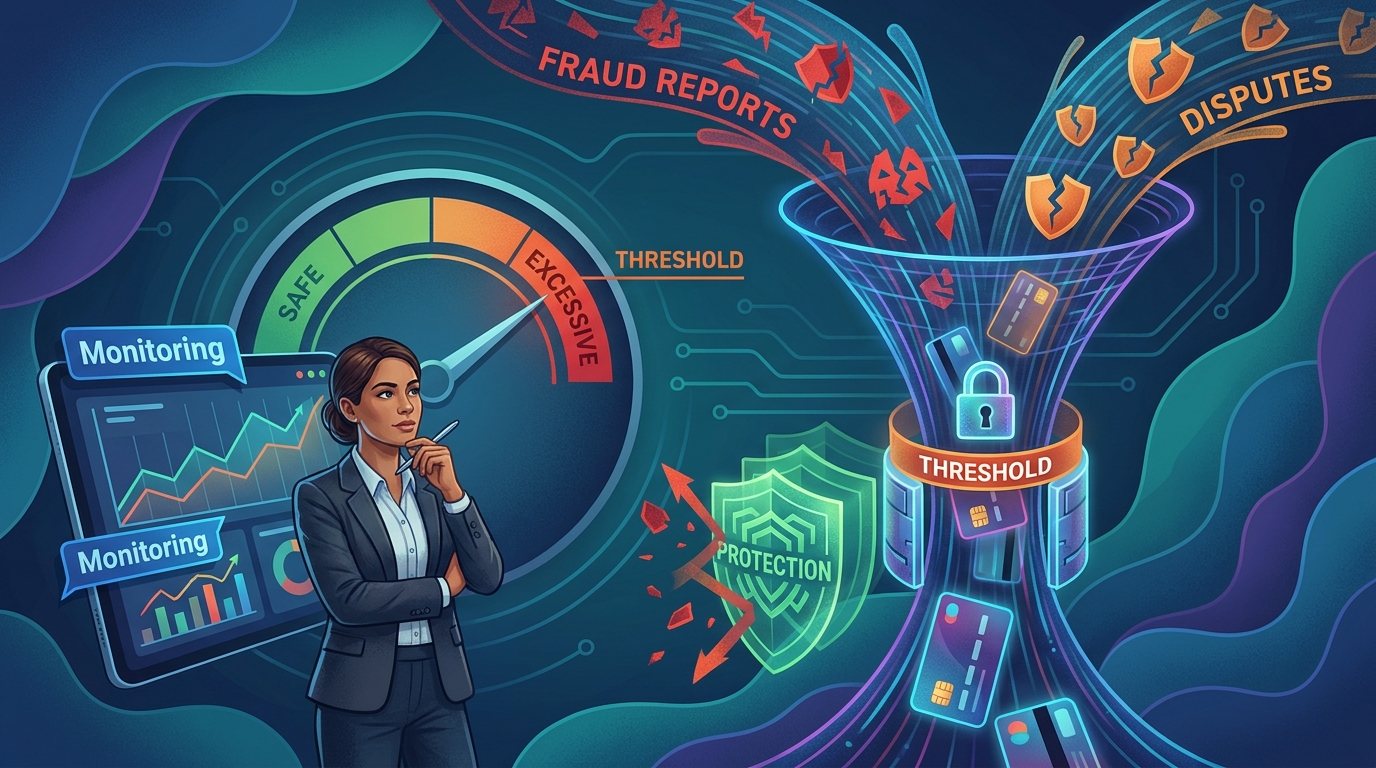
Track your results. Monitor your win rate by reason code. Consistent losses in a specific category might signal a gap in your evidence collection worth investigating.
Conclusion
Chargeback representment is not optional for merchants serious about protecting revenue. With disputes rising and the cost per case climbing year over year, having a structured representment process is the difference between absorbing losses and recovering them. Start by understanding your timelines, building strong evidence packages, and automating what you can. The merchants who treat representment as a core business function, not an afterthought, are the ones keeping more of the revenue they earned.