TL;DR / Key Takeaways
- A refund is initiated by the merchant; a chargeback is initiated by the cardholder through their bank, bypassing the merchant entirely.
- Chargebacks cost merchants significantly more than refunds due to fees, lost merchandise, and potential penalties from card networks.
- The true cost of a chargeback can reach two to three times the original transaction value when all expenses are factored in.
- A customer filing a chargeback after already receiving a refund (double refund) is one of the most common forms of friendly fraud.
- Proactive refund policies and clear communication can prevent many chargebacks before they happen.
Chargeback vs Refund: Understanding the Real Cost
If you run an online business, you already know that not every sale stays sold. Customers want their money back for all kinds of reasons, and they have two main paths to get it: requesting a refund from you, or filing a chargeback through their bank. The difference between those two paths matters more than most merchants realize.
A chargeback vs refund comparison isn't just an academic exercise. It directly affects your bottom line, your relationship with payment processors, and your ability to keep accepting card payments at all. Understanding how each works is the first step toward protecting your revenue.
What Is the Difference Between a Chargeback and a Refund?
A refund is a voluntary transaction. The customer contacts you, explains the issue, and you return their money. You control the process, the timeline, and the outcome. The funds go back to the customer's account, and that's typically the end of it.
A chargeback is an involuntary process. The customer goes directly to their bank or card issuer and disputes the transaction. The bank then pulls the funds from your merchant account, often before you even know what happened. You receive a notification with a reason code, and from there you can either accept the loss or fight back through representment.
The key distinction: with a refund, you're in the driver's seat. With a chargeback, you're on defense from the start.
Refunds typically take 3 to 5 business days to process, cost nothing beyond the lost sale (some processors don't return the processing fee), and have no impact on your merchant account standing. Chargebacks take 30 to 90 days to resolve, carry fees of $20 to $100 per dispute, and count against your chargeback ratio, which card networks monitor closely.
Why Chargebacks Cost More Than Refunds
The sticker price of a chargeback is just the beginning. Industry data shows that the true cost of a chargeback can reach two to three times the original transaction value. Here's why.
First, you lose the sale amount. If you already shipped physical goods, you lose the merchandise too. Then there's the chargeback fee your processor charges, typically $20 to $100 depending on your provider and risk level. Add in the staff time spent gathering evidence and filing representment, and the costs stack up fast.
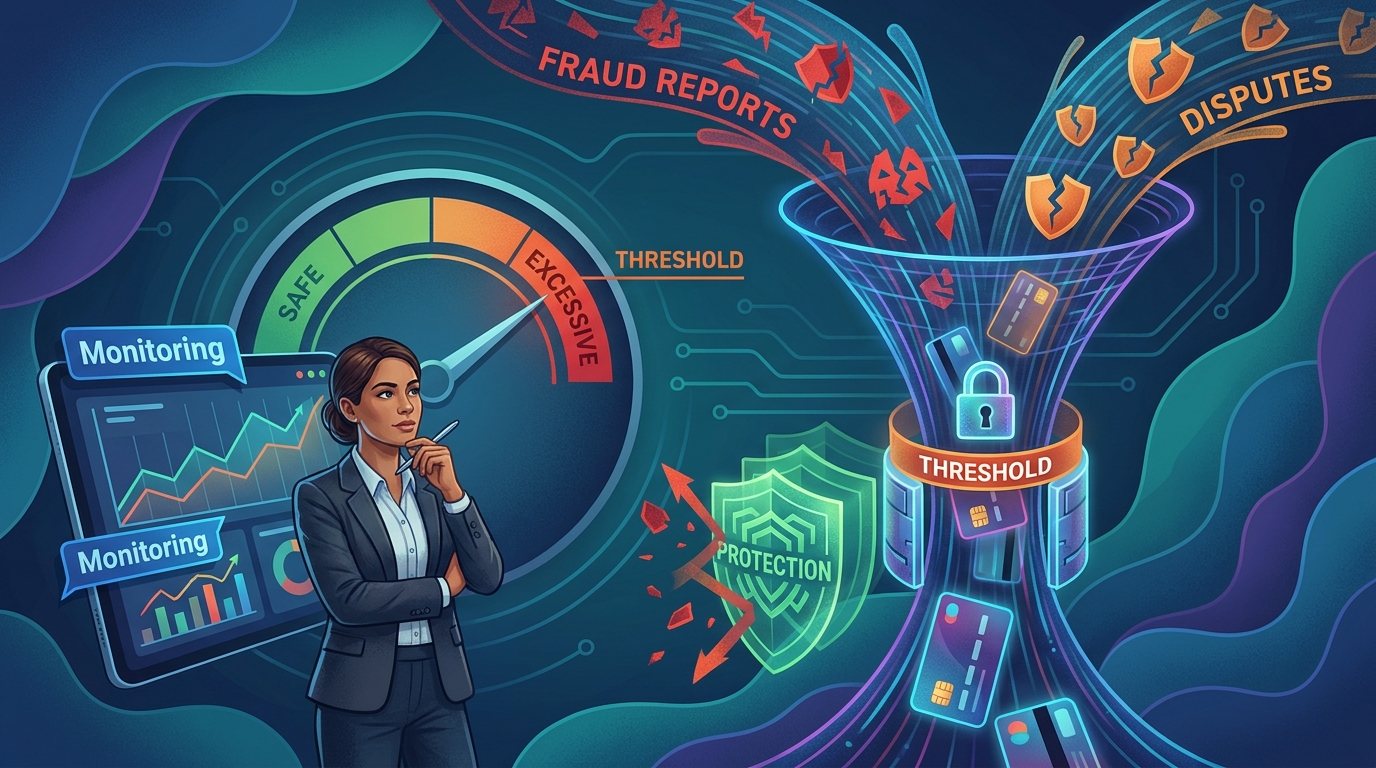
But the biggest hidden cost is what happens when your chargeback ratio climbs. Card networks like Visa and Mastercard monitor your dispute rate, and if it crosses their thresholds, you can land in monitoring programs like Visa's VAMP. That means higher processing fees, mandatory remediation plans, and in severe cases, losing the ability to accept card payments altogether.
A refund, by comparison, is just the cost of the sale. That's why experienced merchants treat refunds as the cheaper option, even when it stings.
What Is a Chargeback After Refund?
One of the most frustrating scenarios merchants face is a chargeback after refund. This happens when a customer requests and receives a refund from you, then also files a chargeback with their bank for the same transaction. The result: the customer gets paid twice, and you lose double.
This is one of the most common forms of friendly fraud. According to a recent industry report, more than 83% of enterprise merchants have seen friendly fraud increase over the past three years. Sometimes the customer doesn't realize the refund is already processing. Other times, it's intentional.
To protect yourself, keep detailed records of all refund communications and processing timestamps. If a chargeback comes in for a transaction you've already refunded, you can use that documentation as compelling evidence during representment. Tools like Kumaa Guard help automate this by tracking refund and dispute data in one place, making it easier to catch and fight double-dip scenarios.
How to Reduce Chargebacks with Smarter Refund Policies?
The most effective chargeback prevention strategy is also the simplest: make it easier for customers to get a refund from you than from their bank.
Start by making your refund policy visible and easy to understand. Display it prominently at checkout, in confirmation emails, and on your website. Use clear language about timelines and conditions. When a customer contacts you about a problem, respond quickly. The longer they wait, the more likely they are to call their bank instead.
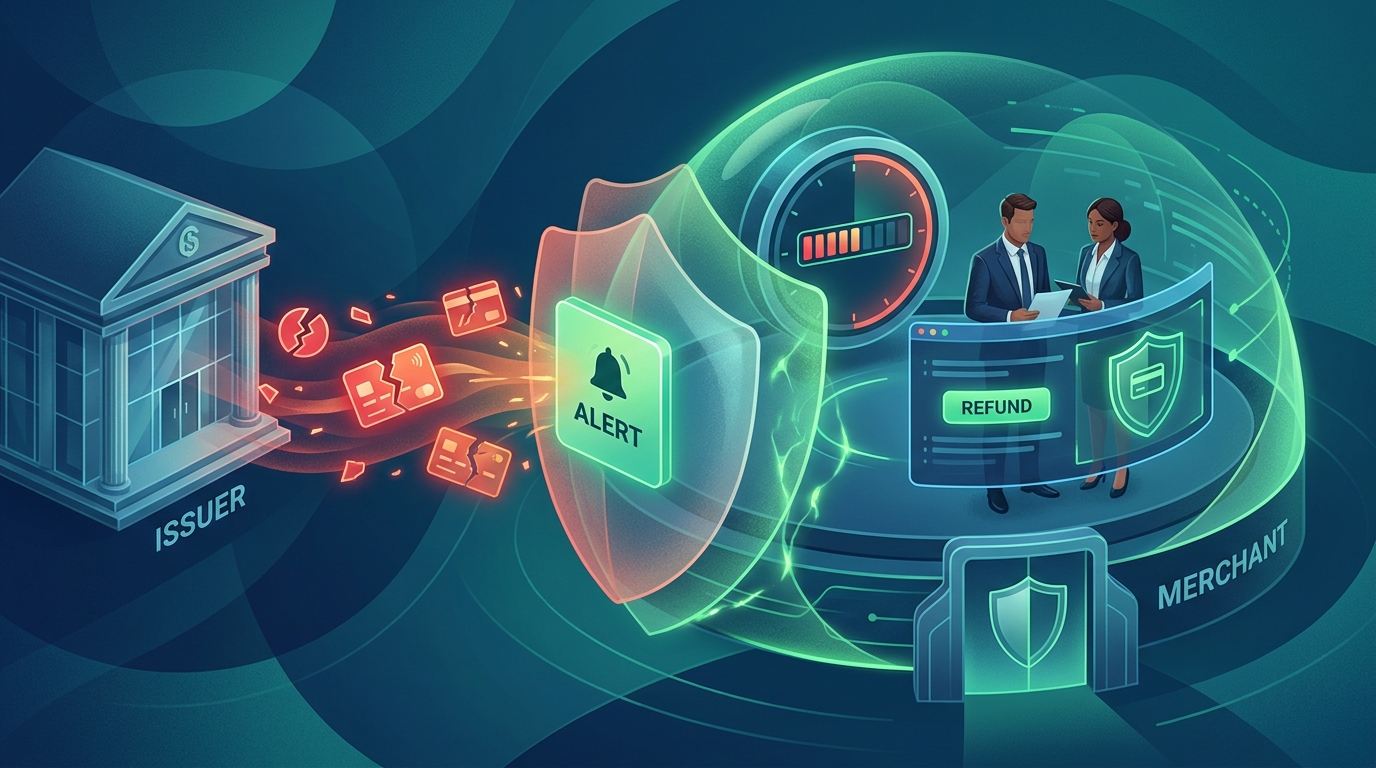
Consider offering instant refunds or store credit for low-risk return requests. The short-term revenue loss is almost always less expensive than a chargeback. And use chargeback alerts, which notify you when a dispute is filed so you can issue a preemptive refund before it becomes a formal chargeback on your record.
Conclusion
The difference between a chargeback and a refund comes down to control. Refunds keep you in charge of the outcome. Chargebacks hand that control to the bank. For merchants, every chargeback you can convert into a refund saves money, protects your processor relationship, and keeps your chargeback ratio healthy.