TL;DR / Key Takeaways
• Friendly fraud occurs when a cardholder disputes a legitimate transaction, costing merchants billions annually.
• 83% of enterprise merchants report friendly fraud has increased over the past three years.
• Refund abuse accounts for an estimated 27% of all returns, adding pressure on top of dispute losses.
• Only 34% of merchants have a dedicated chargeback team, leaving most businesses under-resourced..
• Prevention starts with clear policies, strong evidence documentation, and automated dispute management tools.
What Is Friendly Fraud?
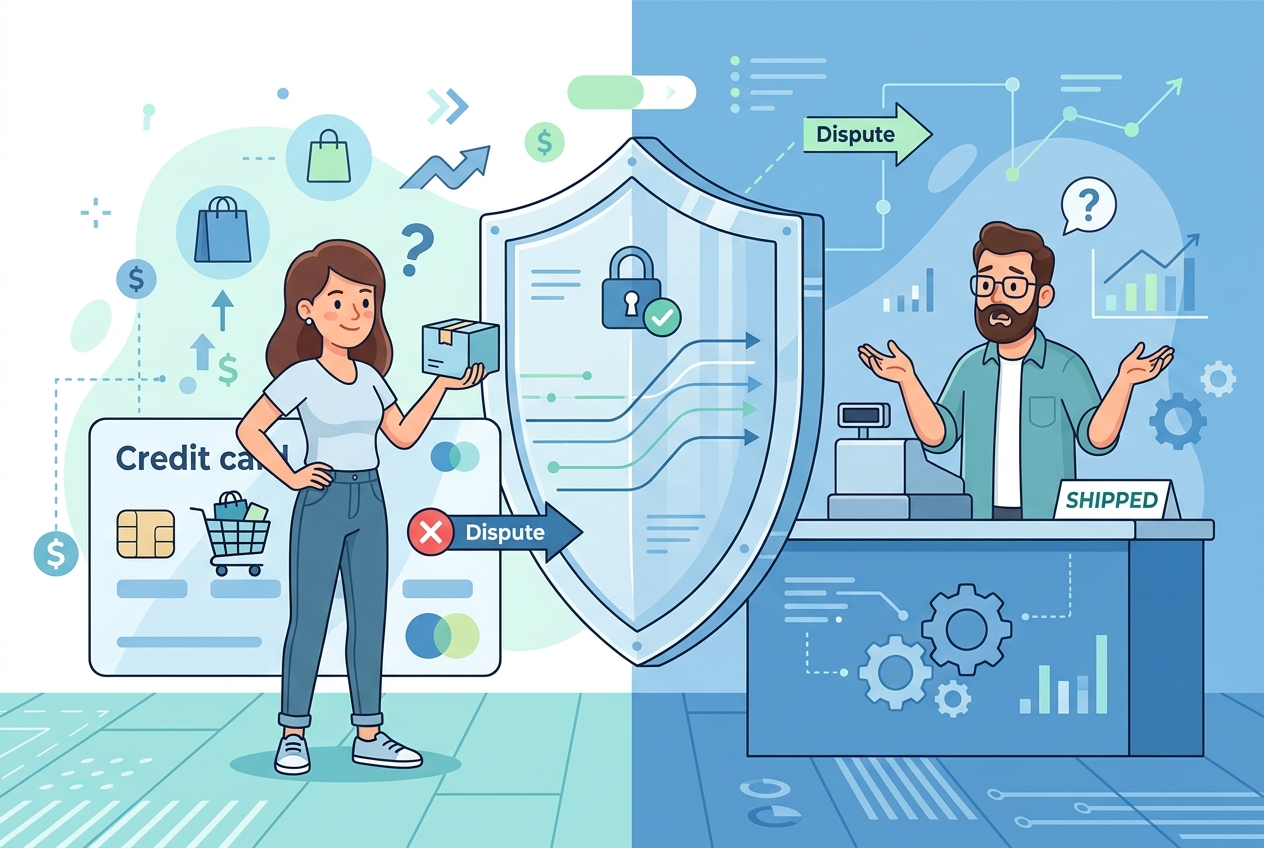
Friendly fraud happens when a customer makes a legitimate purchase, receives the product or service, and then disputes the charge with their bank. The cardholder gets a refund through the chargeback process while keeping what they bought.
Despite the name, there is nothing friendly about it. Unlike traditional fraud where a criminal steals card details, friendly fraud involves the actual cardholder. Sometimes it is intentional. Sometimes it is a genuine misunderstanding, like not recognizing a charge on a bank statement. Either way, the merchant loses the sale, the product, and pays a chargeback fee on top of it.
First-party fraud, as it is also known, now accounts for up to 75% of all chargebacks according to Visa data. That makes it the single biggest source of chargeback losses for online merchants.
Why Is Friendly Fraud Getting Worse?
The numbers tell a stark story. A 2026 industry survey found that 83% of enterprise merchants have seen friendly fraud increase over the past three years. Nearly three-quarters (74.4%) now describe it as a moderate or significant concern.
Several factors are driving the surge. The continued growth of card-not-present transactions gives customers more opportunity to dispute charges, since there is no signed receipt or in-person verification. Refund abuse is compounding the problem. Merchants estimate that abusive return requests now make up 27.1% of all returns, while 62% say refund abuse is a moderate or significant concern.
Chargeback costs are not staying contained either. More than 61% of merchants report chargebacks have increased, and 38% say those costs have influenced the prices of their goods or services. Honest customers end up absorbing part of the burden through higher prices or stricter return policies.
AI is adding a new dimension. Fraudsters are using AI-powered bots to create fake accounts, initiate fraudulent transactions, and trigger chargebacks at scale. At the same time, nearly two-thirds of merchants are now either using or planning to adopt AI-based fraud prevention tools to fight back.
How to Prevent Friendly Fraud Chargebacks
Friendly fraud prevention requires a layered approach. No single tool eliminates the problem, but several strategies working together can reduce your exposure significantly.
Start with clear communication. Use recognizable billing descriptors so customers can identify your charges on their statements. Display your return and refund policies prominently at checkout. Send order confirmations and shipping notifications with tracking numbers. Many friendly fraud disputes start because a customer does not recognize a charge or does not know how to request a refund directly.
Build strong evidence documentation. Save delivery confirmations, IP addresses, device fingerprints, and customer communication logs. When a chargeback lands, having compelling evidence ready for representation is the difference between winning and losing the dispute. Visa's Compelling Evidence 3.0 framework now lets merchants share transaction evidence with issuing banks to resolve disputes before they escalate.
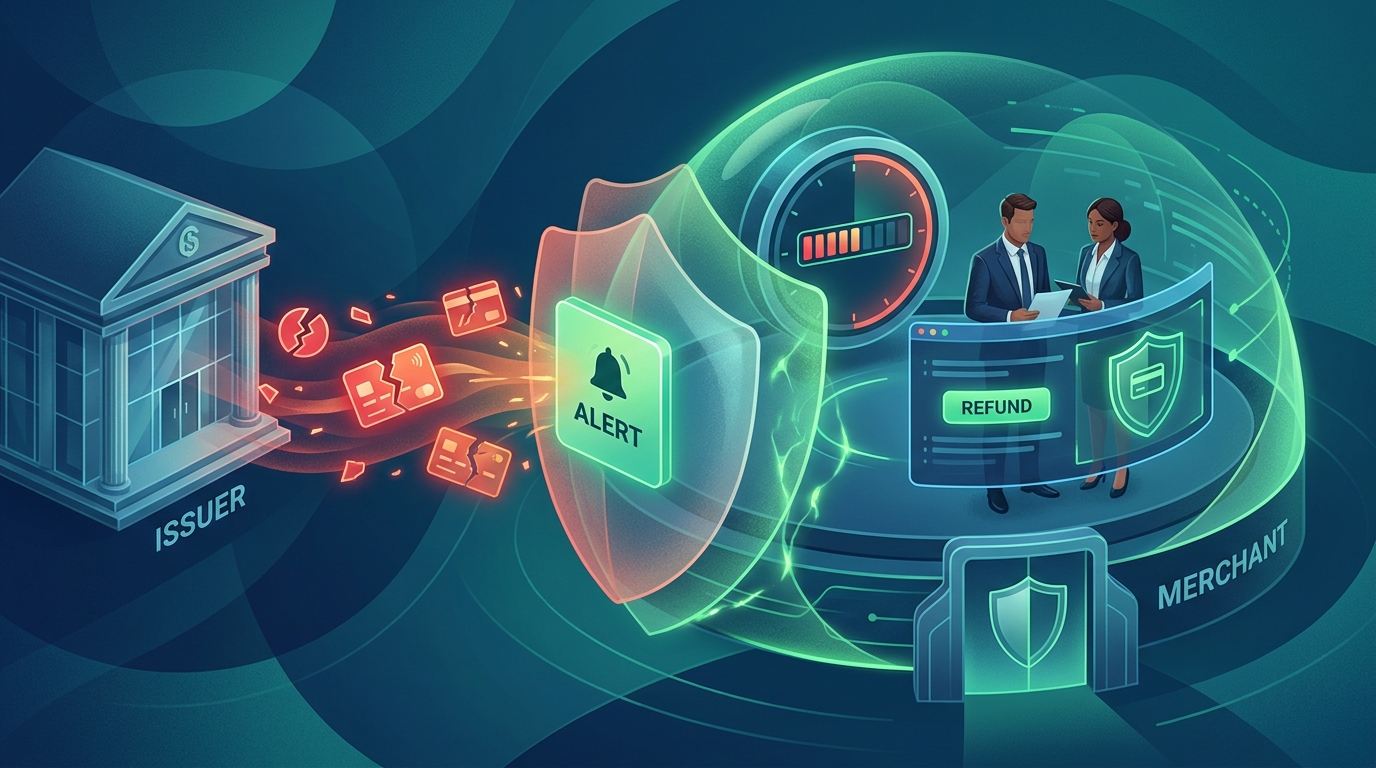
Implement real-time chargeback monitoring. Alerts from services that notify you when a dispute is filed give you a narrow window to resolve the issue directly with the customer. If you can issue a refund before the chargeback completes, you avoid the chargeback fee and the hit to your dispute ratio.
Tools like Kumaa Guard can help automate this process by combining chargeback alerts, dispute management, and fraud prevention into a single workflow. Instead of juggling five or more separate tools (which 23.5% of merchants currently do), a unified platform reduces manual overhead and keeps your response times fast.
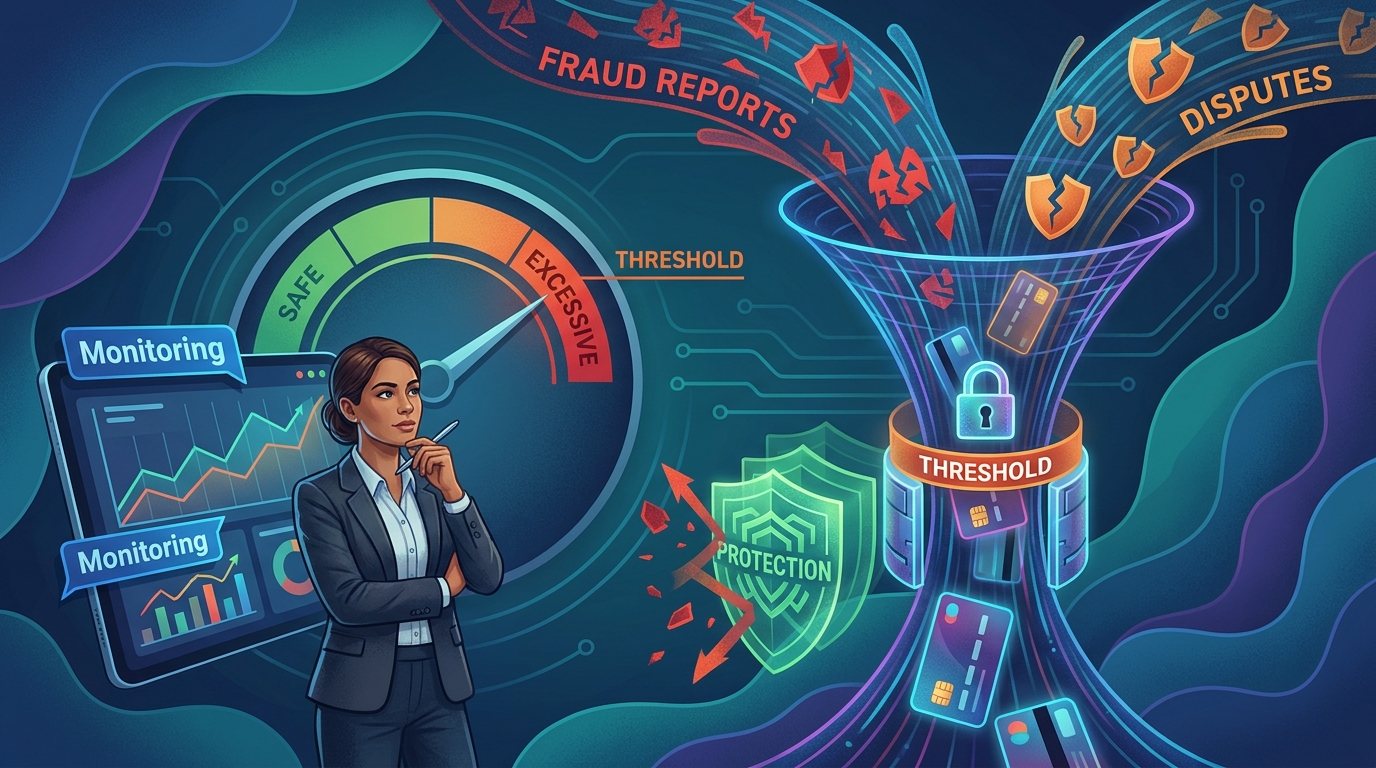
Finally, monitor your metrics. Only about one in four merchants say their teams are very up to date on card network rules. Track your chargeback ratio, win rate on representments, and the reasons behind your disputes. Patterns in the data reveal whether you are dealing with true friendly fraud, buyer's remorse, or gaps in your own processes.
Conclusion
Friendly fraud is no longer a minor inconvenience. It is a material business risk that is reshaping pricing, policies, and operations for merchants of all sizes. The good news: with clear communication, strong evidence practices, and the right tools, you can fight back and protect your revenue.