TL;DR / Key Takeaways
- Return fraud and refund abuse are two of the fastest-growing merchant losses in 2026, with recent industry data showing about 27 percent of returns are now considered abusive.
- The rise is tied to lenient return policies, resale platforms, and shoppers who have learned that most refunds get approved without pushback.
- Prevention starts with tighter policies, better data, and tools that flag repeat offenders before you refund them.
- If refund abuse escalates into a chargeback, dispute evidence is your best defense.
What Is Return Fraud?
Return fraud is any refund obtained through deception. The most common types include wardrobing (buying, using, then returning an item), receipt fraud (returning stolen goods for cash or credit), and refund abuse (claiming an item never arrived or was damaged when it was not).
The line between an unhappy customer and a return fraudster is not always obvious. A single questionable return looks like an edge case. A pattern across hundreds of orders is a business problem.
In 2026, the most common form is what analysts call refund abuse: shoppers who use platform policies against you, filing false damage claims or "item not received" reports on orders that arrived as described.
Why Return Fraud Is Rising in 2026
Three shifts are driving the increase. First, generous return policies became the default for ecommerce brands over the past several years, and shoppers now expect them. Some have also learned to exploit them.
Second, resale platforms and secondary markets make it easy to monetize returned goods, especially electronics, apparel, and beauty products. That turns wardrobing into a side hustle for a growing number of consumers.
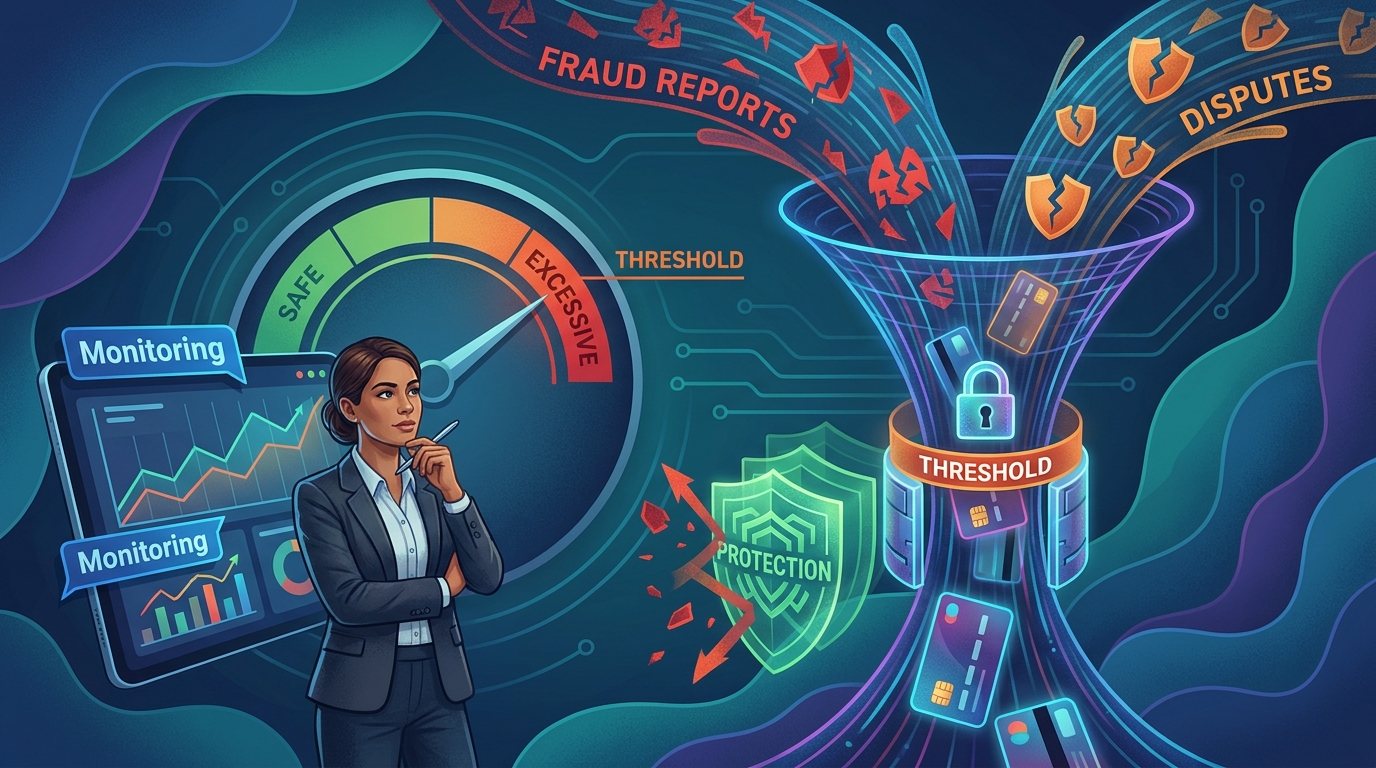
Third, ecommerce return volume keeps climbing, and manual review teams cannot keep pace. According to industry chargeback data published in 2026, 27.1 percent of all returns are now flagged as abusive, and 62 percent of merchants describe refund abuse as a moderate or significant concern.
The financial impact is real. Credit card fraud losses are projected to reach roughly 43 billion dollars globally by the end of 2026, and refund-based schemes account for a growing slice of that number. For every one dollar of direct fraud loss, merchants absorb an estimated 4.61 dollars in downstream costs like chargeback fees, staff time, and lost inventory.
How to Prevent Return Fraud in Ecommerce
There is no single fix for ecommerce return fraud, but a layered approach works. Start with your return policy: tighten the window, require original packaging, and charge return shipping on high-abuse categories (electronics and premium apparel are usual suspects).
Next, connect return data to order data. Repeat offenders leave a trail. If one customer has requested three "item not received" refunds in six months, that is not bad luck, it is a pattern. Flagging those accounts before approving the next refund is one of the highest-leverage moves you can make.
Third, invest in verification. Delivery photos, signature confirmation for high-value orders, and photo evidence for damage claims raise the friction for fraudsters without punishing honest shoppers. Most customers do not mind uploading a photo. Fraudsters do.
Finally, use fraud prevention software that can spot patterns you cannot. Tools like Kumaa Guard analyze return behavior alongside payment data, flag high-risk transactions in real time, and give your team the evidence to push back when a request looks off.
What to Do When Refund Abuse Turns Into a Chargeback
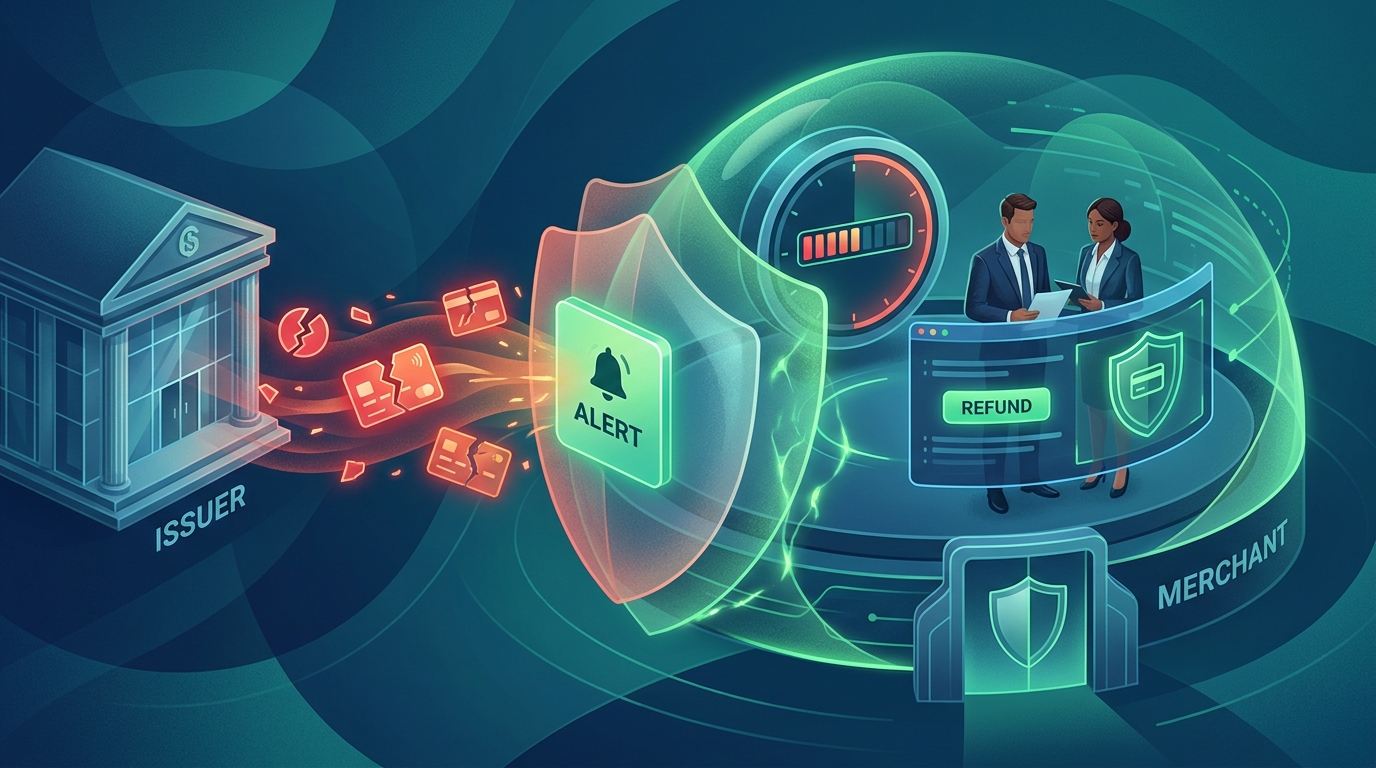
Sometimes refund abuse does not stop at the return. The customer takes the case to the card issuer and files a chargeback, hoping to double-dip. When that happens, you need evidence.
Save every touchpoint: order confirmations, delivery proof, communication records, and any prior refund history. Submit that evidence through representment. Card networks are increasingly willing to side with merchants who can prove the goods were delivered and the customer claim does not hold up.
Conclusion
Return fraud is not slowing down in 2026, and the merchants who lose the least are the ones treating returns as a fraud vector rather than a customer service afterthought. Tighten your policies, use your data, add verification, and be ready to fight disputes when they come.