TL;DR / Key Takeaways
- Subscription chargebacks are one of the fastest-growing categories of merchant loss in 2026.
- Recent industry data attributes about 75% of digital ecommerce chargebacks at subscription retailers to friendly fraud.
- Cryptic billing descriptors, buried cancel flows, and unexpected renewals cause most preventable disputes.
- Card networks tightened subscription billing rules starting in 2020, with issuer-side tools continuing to roll out through 2026.
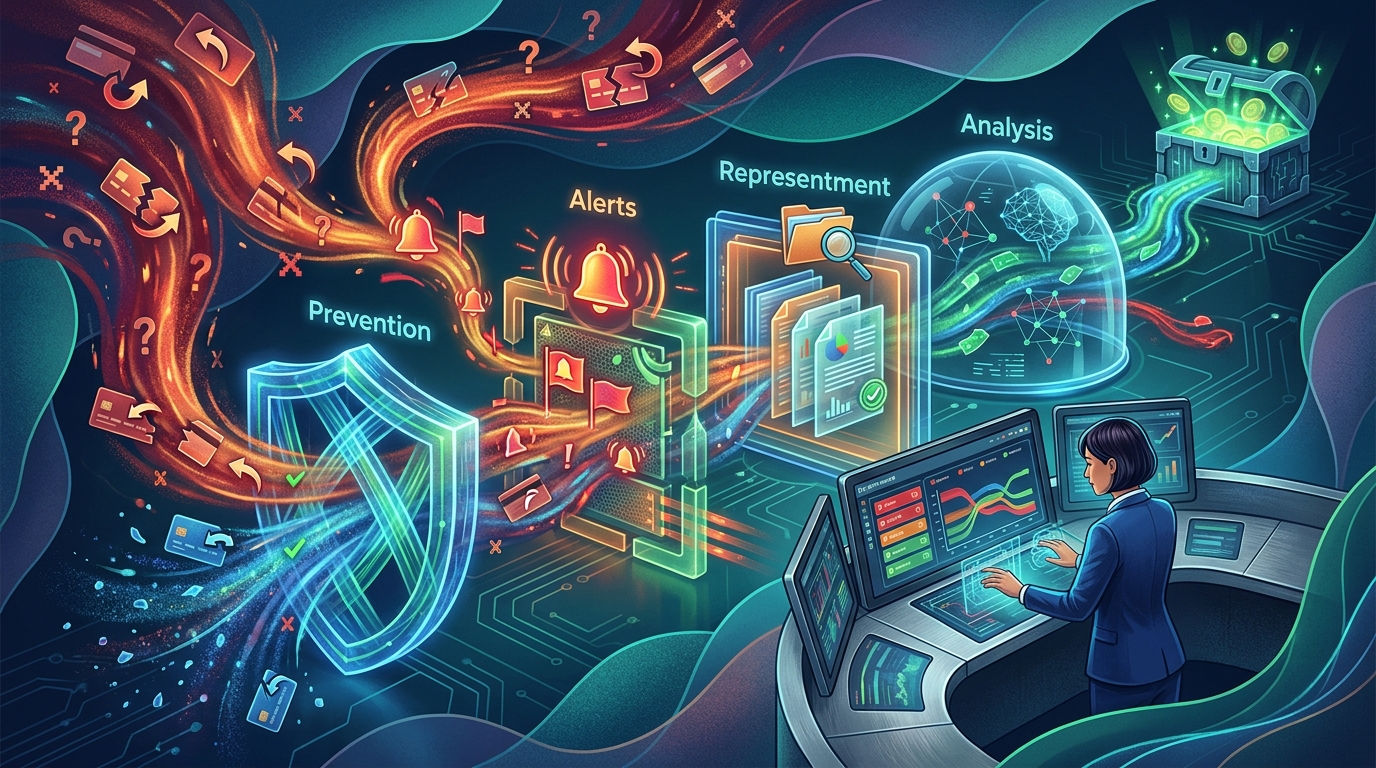
- A layered approach with transparent billing, easy cancellation, chargeback alerts, and evidence-based representment is what actually moves the ratio.
Why Subscription Chargebacks Are Growing?
If you run a subscription business, you know the feeling. A customer signs up, uses the product for months, then disputes a charge with their bank instead of clicking cancel in your dashboard. That is a subscription chargeback, and it is one of the fastest-growing categories of recurring billing loss for merchants in 2026.
Recent industry projections put total chargeback volume at 337 million by year-end, a 42% jump from 2023. Subscription retailers absorb a disproportionate share, and the reasons are structural, not just fraud. Consumers forget their trials, do not recognize the billing descriptor, or find the cancel flow too confusing to bother with. Their bank is one tap away, so that becomes their exit ramp.
Most subscription chargebacks are preventable. You just have to fix the friction in your billing and support experience before you spend money fighting the disputes themselves.
What Are Subscription Chargebacks?
Subscription chargebacks are disputes filed by cardholders against recurring or auto-renewal charges. Unlike one-time transaction disputes, they often involve a customer who bought the service legitimately at some point, then stopped wanting it.
Most fall under two categories. Card-not-recognized disputes happen when the customer does not connect the billing descriptor on their statement to your product. Cancellation-related disputes happen when the customer thought they cancelled, could not find how, or was auto-renewed after a trial they meant to end.
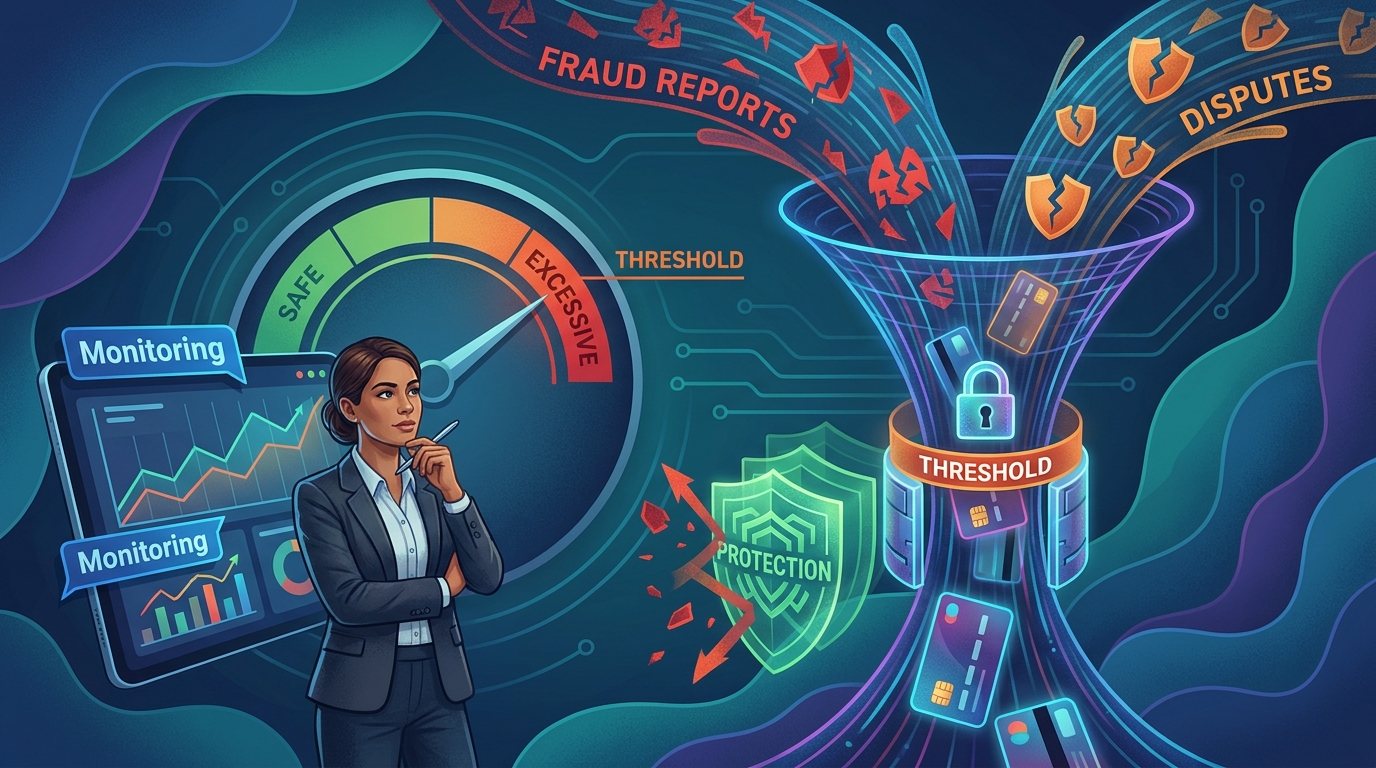
Both categories look like fraud to the issuer even when there is no bad actor involved. That is why they hit your dispute ratio the same way a stolen-card transaction would, and why card networks are treating recurring billing as its own compliance surface.
The Top Reasons Customers Dispute Subscription Charges
Recent industry data attributes about 75% of digital ecommerce chargebacks at subscription retailers to first-party misuse, sometimes called friendly fraud. The customer authorized the purchase but disputes it anyway, either because they forgot, they cannot cancel easily, or they want a refund without asking for one.
A short list of preventable triggers explains most of the volume: the billing descriptor is cryptic, so a charge from "SVC*XYZ INC" tells the customer nothing about your product; the free trial rolls into a full charge without warning; cancellation is buried behind multi-step flows or forced phone calls; and annual renewals arrive twelve months later without notice.
Card networks tightened subscription rules starting in 2020, and consumer protection agencies continue to push for clearer disclosure and easier cancellation. New issuer-side subscription management tools are rolling out to help cardholders find and stop subscriptions themselves.
How to Prevent Subscription Chargebacks?
Prevention starts with clarity, not with fraud filtering. Cardholders who understand what they are paying for, and can stop paying easily when they want to, rarely file disputes.
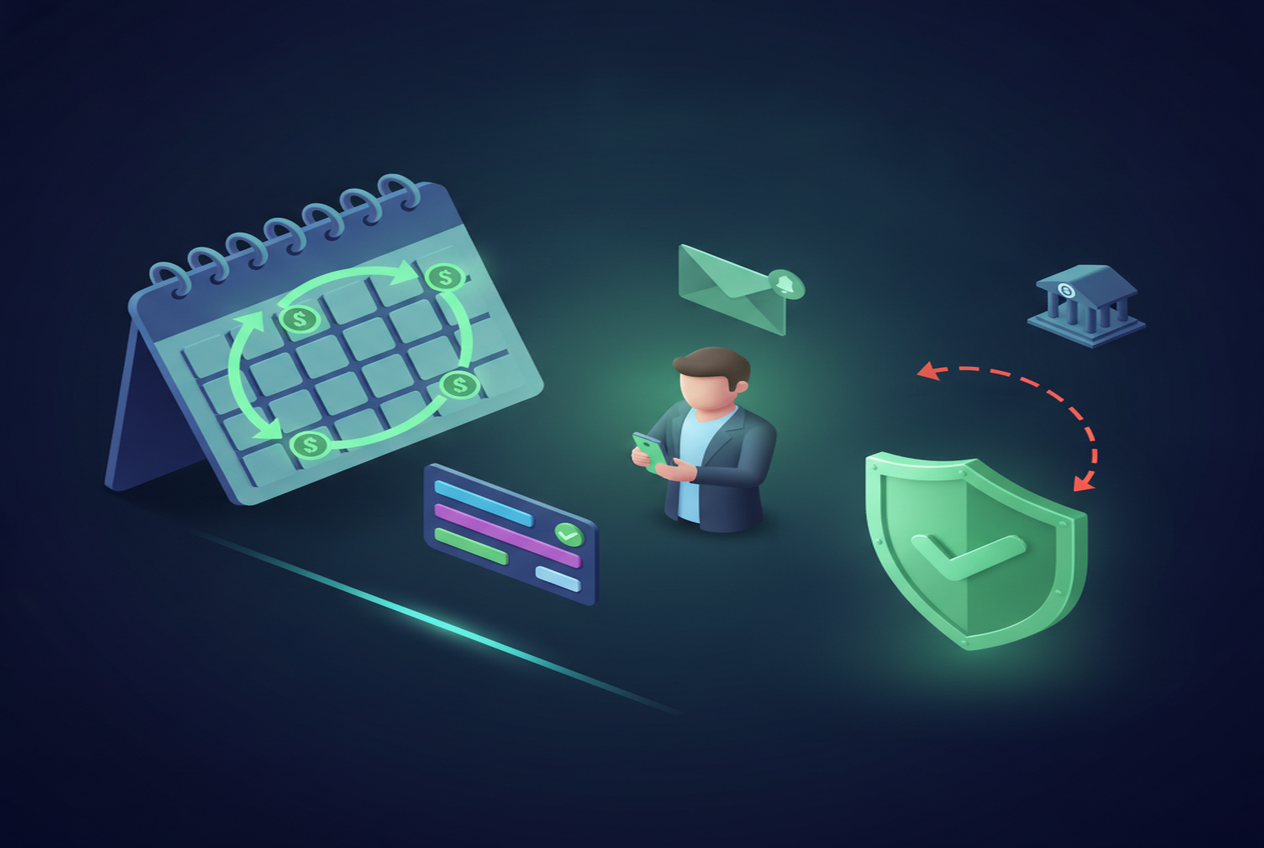
Rewrite your billing descriptor to include your recognizable product name and a working support phone number. Send a pre-renewal email three to seven days before every charge, especially for annual plans and end-of-trial rollovers. Make cancel a one-page in-account action, not a scavenger hunt. For high-value renewals, layer in 3DS 2 to add an authentication signal that also strengthens your defense if a dispute is filed.
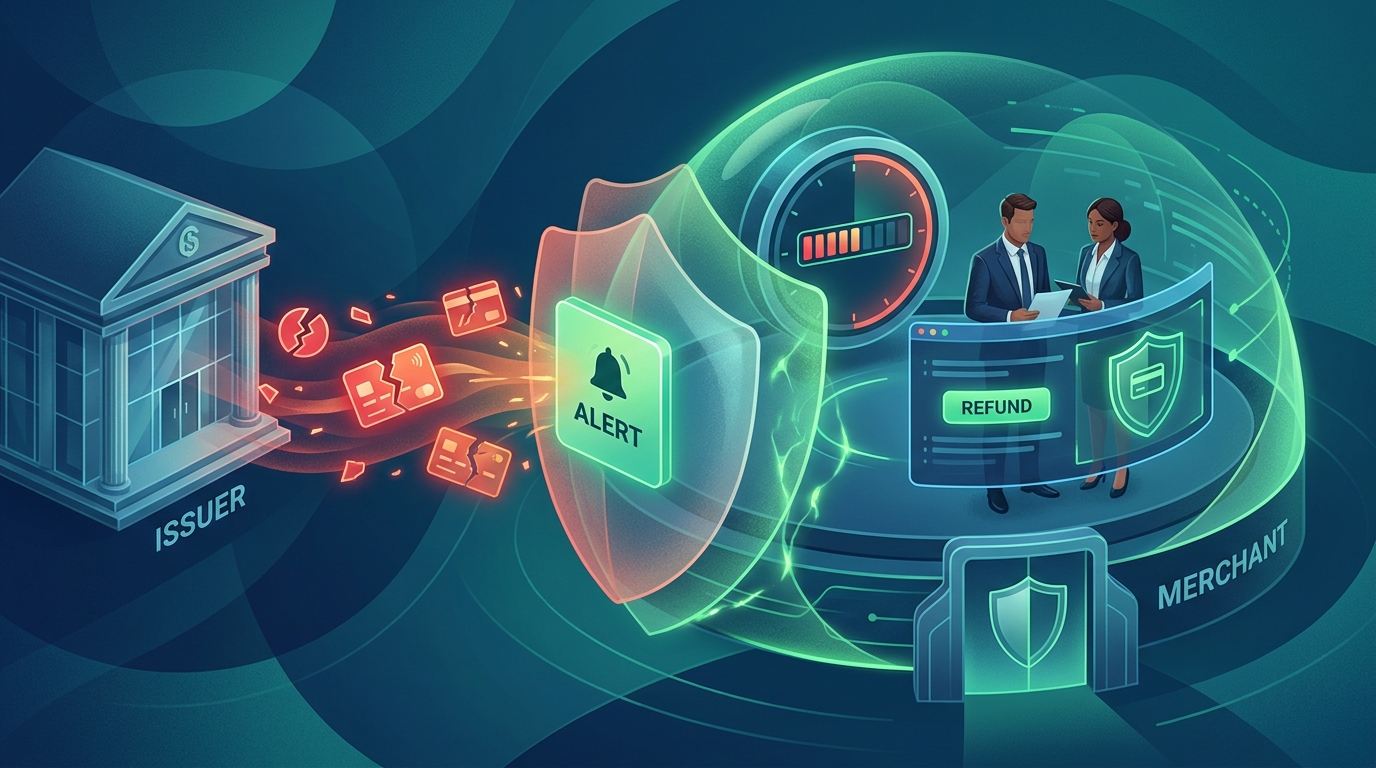
For disputes that still slip through, chargeback prevention alerts (like Verifi CDRN and Ethoca Alerts) intercept the case before it becomes a formal chargeback. When an alert fires, you refund the customer proactively and the dispute never touches your ratio. Tools like Kumaa Guard can automate that alert response, monitor your subscription chargeback trend in real time, and represent the disputes that do become chargebacks. Getting ahead of a dispute is always cheaper than fighting it later.
When Prevention Fails: Fighting Subscription Disputes
Some disputes will slip through no matter how clean your billing experience is. When they do, evidence wins cases. Save proof of the original opt-in (checkbox, IP, timestamp), records of product usage during the subscription period, receipts of pre-renewal reminders sent, and screenshots of the cancellation options that were available. That bundle turns a "did not authorize" claim into a losing argument.
For repeat disputes from the same customer, use the compelling evidence standards your acquirer supports. Card networks now allow prior undisputed transactions and matched login IPs as merchant defenses, a big shift from the old paper-only representment path.
The Bottom Line
Subscription chargebacks are less a fraud problem and more a product experience problem. Fix the billing descriptor, add pre-renewal reminders, and make cancel easy. Then layer alerts and representment on top. Merchants who treat prevention as a UX exercise, not a fraud exercise, are the ones whose dispute ratios shrink.